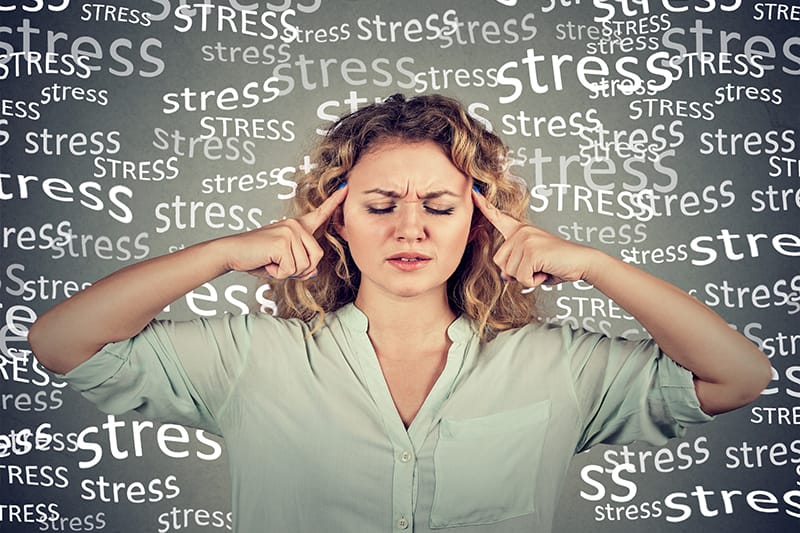
Stress affects the body in more ways than most people realize, and understanding this connection can help people take better care of their health. When someone feels stressed, the body releases hormones like cortisol and adrenaline. These hormones are helpful in short bursts, like when you need to react quickly to danger, but they can cause problems when they stay high for a long time. If someone is dealing with ongoing stress, it can slowly wear down different systems in the body.
One major effect of long term stress is on the immune system. The immune system is supposed to protect the body from infections, but high stress levels can weaken it. This makes it easier to get sick and harder to recover. People who are stressed a lot often notice they catch colds more easily or feel run down even when they are sleeping enough. Stress can also make existing health problems worse, like asthma, stomach issues, or headaches.
Another way stress affects health is through inflammation. Inflammation is the body’s way of fighting off harm, but too much of it can lead to diseases over time. Research shows that chronic stress can increase inflammation, which is linked to conditions like heart disease and diabetes. Stress can also raise blood pressure and make the heart work harder, which adds even more risk.
Mental health and physical health are also connected. When someone feels stressed, they might have trouble sleeping, eating well, or staying active. These habits can slowly create health problems on their own. Even though stress is a normal part of life, it becomes harmful when it builds up without any breaks.
If stress is affecting your health or daily life, it is important to talk with a trusted adult or a healthcare professional who can help you find healthy ways to manage it. What kinds of stress do you notice most often in your daily routine?
 The Global Pulse