Category: Uncategorized
-
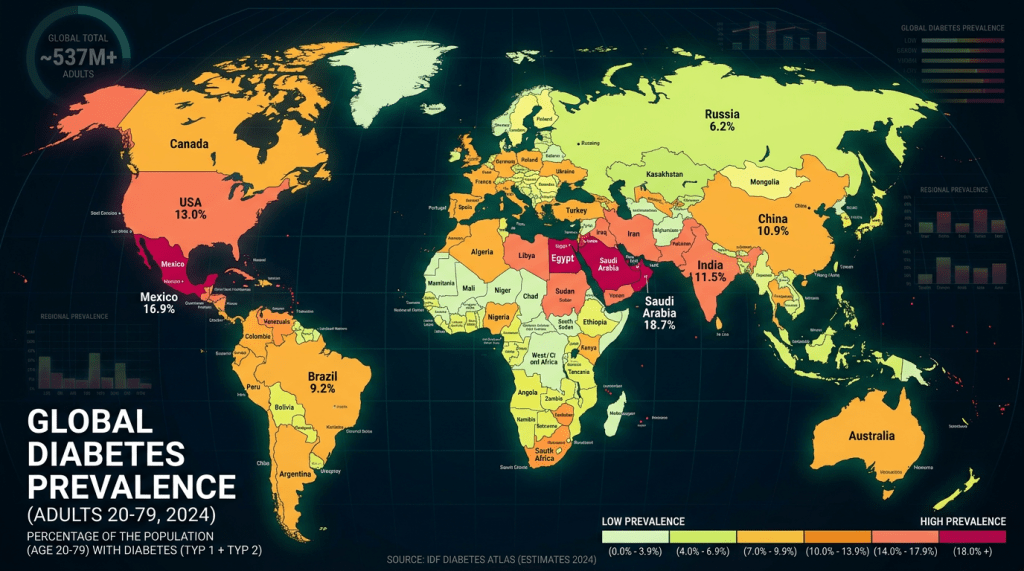
Diabetes, often dismissed as a normal aging issue, has surged dramatically from 200 million cases in 1990 to 830 million in 2022. With over half untreated, it highlights the need for early detection and prevention, especially given its prevalence in lower-income countries. Type 2 diabetes, driven by inactivity and poor diets, is largely preventable.
-

Antibiotic resistance poses a significant global health threat, as bacteria evolve to survive antibiotic treatments. In 2019, antibiotic-resistant infections contributed to 1.27 million deaths worldwide, with projections suggesting 39 million deaths by 2050 if urgent action is not taken. Responsible antibiotic usage is vital to combat this emerging crisis.
-

The 2026 FIFA World Cup is only a few weeks away, and millions of people are going to be coming to North America to watch it. But that’s a lot of people in one place, which means health officials have a lot to worry about. Normally they have a plan for big events like this,…
-
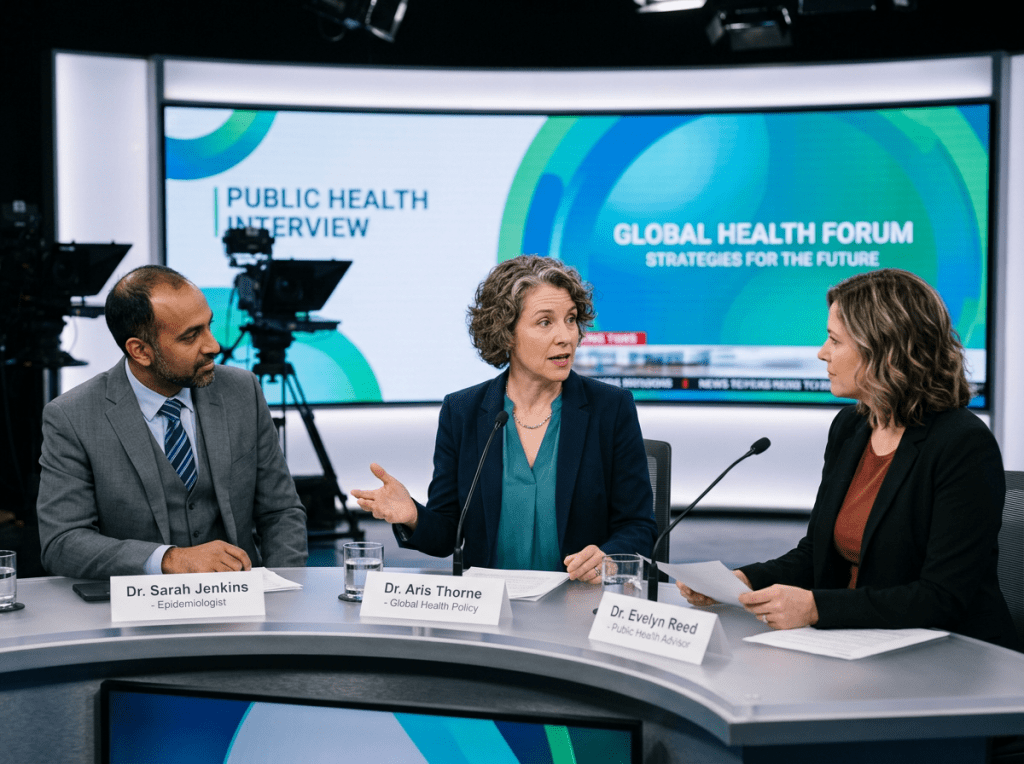
Dr. Shivonne Laird, System Director for Community Health Impact at Bon Secours Mercy Health, focuses on improving community health through initiatives addressing health equity and social determinants. Her background includes roles at PCORI and HRSA, along with academic research. She advocates for a broader understanding of health beyond medical treatment, particularly regarding mental health misconceptions.
-

The author expresses a passion for public health, highlighting its connection to real-life issues beyond medicine. Their travel experiences in various countries revealed the impact of resources like clean water and education on health. Conversations with their mother further deepened their understanding of cultural influences on health, fostering a desire to learn and improve public…
-

Many Native Americans in rural Montana face significant barriers to healthcare access, including long travel distances, inadequate financial resources, and insufficient medical services. These challenges result in poorer health outcomes and reduced life expectancy, highlighting the need for increased awareness and intervention regarding the ongoing health disparities within these communities.
-
Akil McClay is the Vice President of Population Health at INTEGRIS Health, with over 15 years of experience in value-based care and operational efficiency. He previously held leadership roles at Bon Secours Mercy Health and Trinity Health, achieving significant financial and operational successes. McClay emphasizes the importance of cultural awareness and public health in healthcare…
-
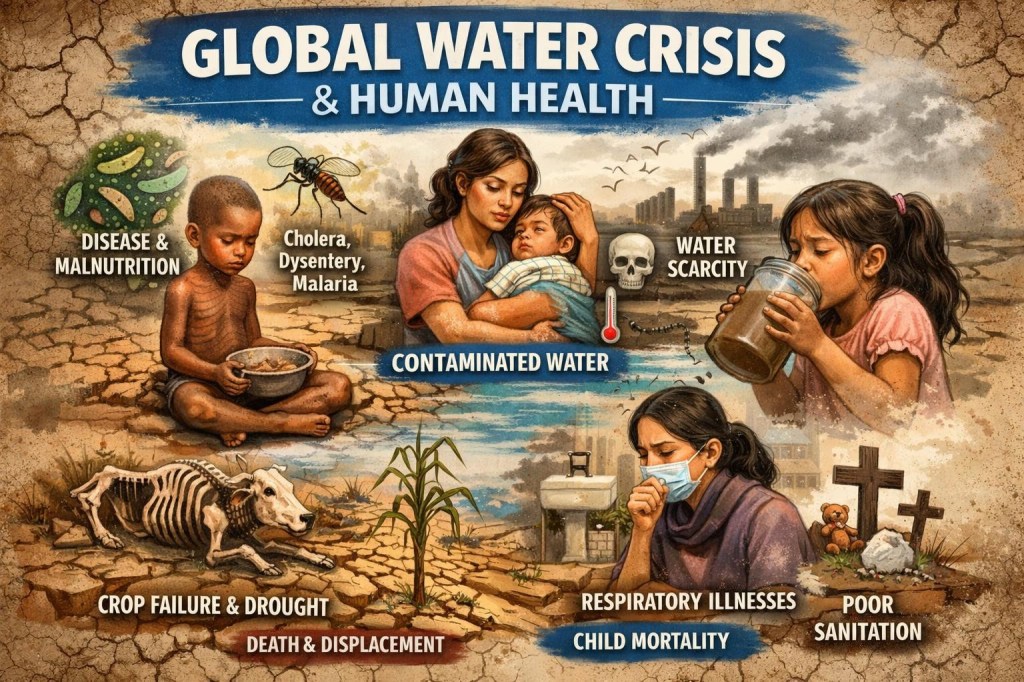
Many people take clean water for granted, but millions globally lack access, impacting health and livelihoods. Issues include distance to clean sources and poverty, hindering infrastructure. Contaminated water causes serious diseases. Climate change exacerbates this crisis. However, organizations are working to improve access, emphasizing clean water as a fundamental human right.
-
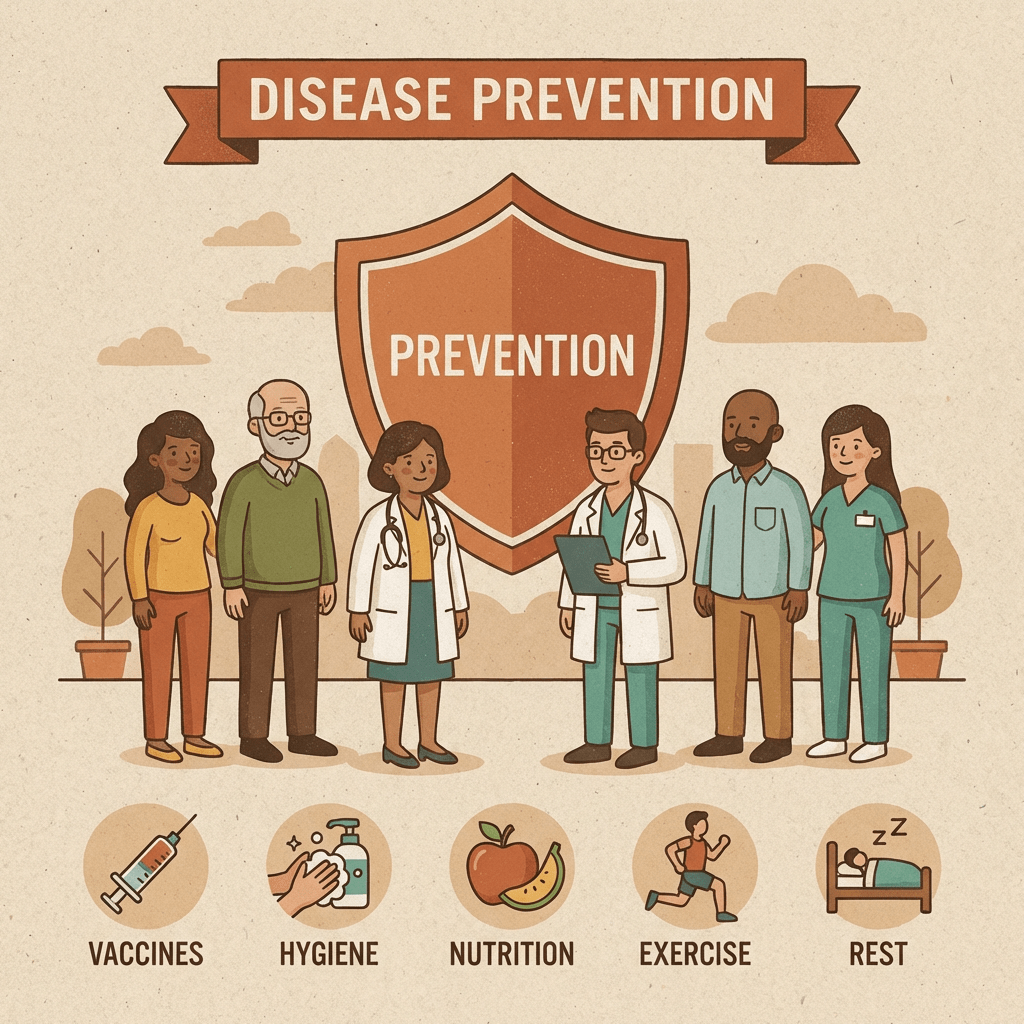
Preventing illness is more crucial than treatment, as it saves time, money, and stress while promoting longevity. Healthy choices, like proper diet, exercise, and regular check-ups, significantly lower disease risk. Prevention benefits not only individuals but also reduces healthcare strain on society, allowing more focus on personal and community well-being.
-
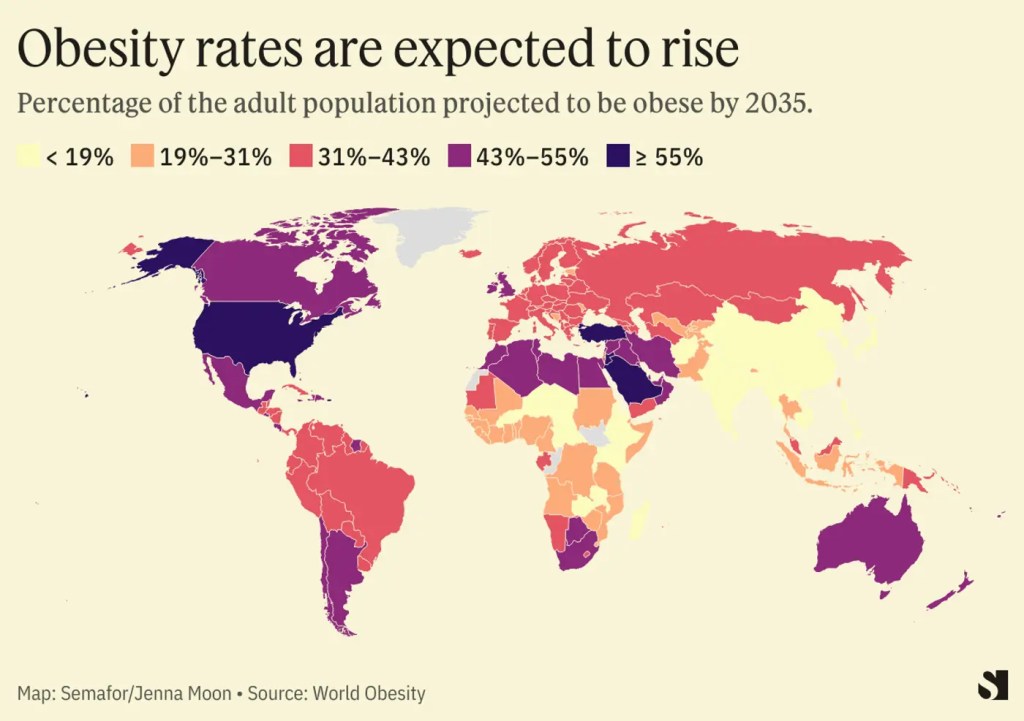
Obesity is a significant global health issue, defined by a BMI of 30 or higher, increasing disease risks. Rates have doubled since 1990, with over one billion affected. Higher rates are found in Pacific Islands and high-income countries, while East Asian nations have lower rates. Factors include diet, lifestyle, and access to processed foods. Understanding…

