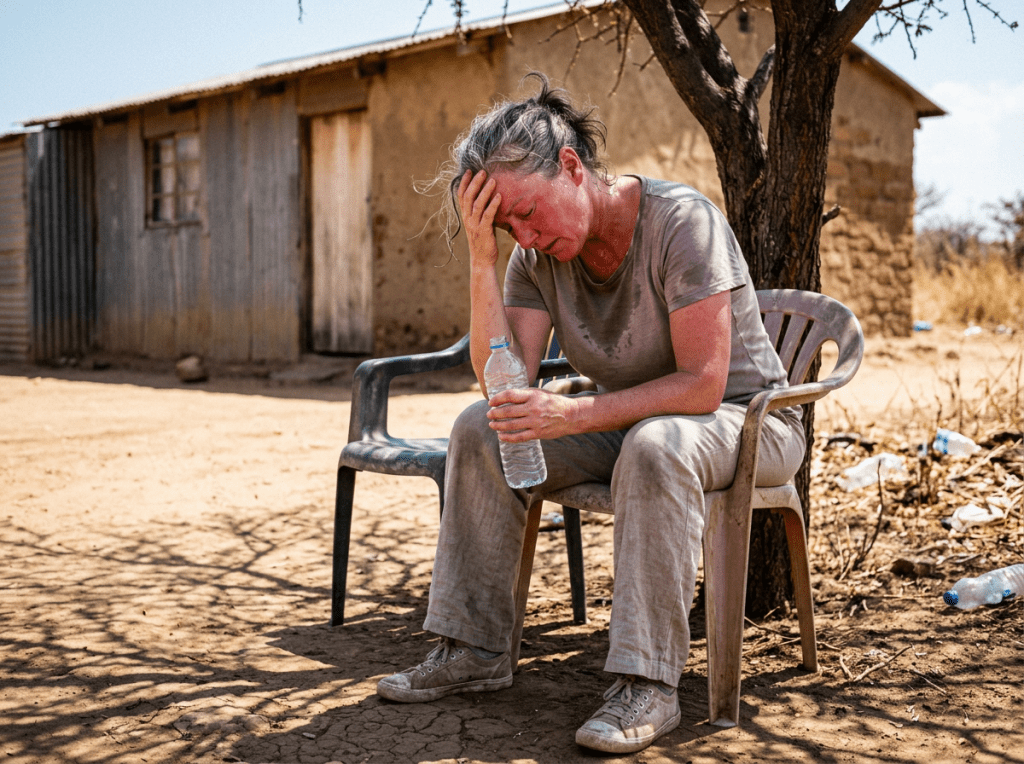
The World Health Organization calls climate change “the single biggest health threat facing humanity.” That’s strong language! They estimate it could cause around 250,000 extra deaths per year between 2030 and 2050, from things like malnutrition, malaria, diarrhea, and heat stress. Those are slow, preventable problems getting worse.
The term WHO uses that stuck with me is “threat multiplier.” Climate change doesn’t usually invent brand new diseases out of nowhere. Instead it takes the health problems we already have and makes them worse. Hotter weather means more heat illness. Shifting rain and temperature patterns let mosquitoes spread diseases like malaria and dengue. Floods and droughts mess with food and clean water.
If you’ve ever bumped a video game up to a harder difficulty, you know the feeling. The map is the same, the enemies are the same, but everything just hits harder and faster. That’s what climate change does to global health.
Living in Florida, I know what bad heat feels like. The summers are brutal, and at track practice I notice when the heat gets dangerous instead of just uncomfortable. That’s a small, local version of something happening everywhere.
Read more: Climate Change and Health — World Health Organization

