Category: health
-
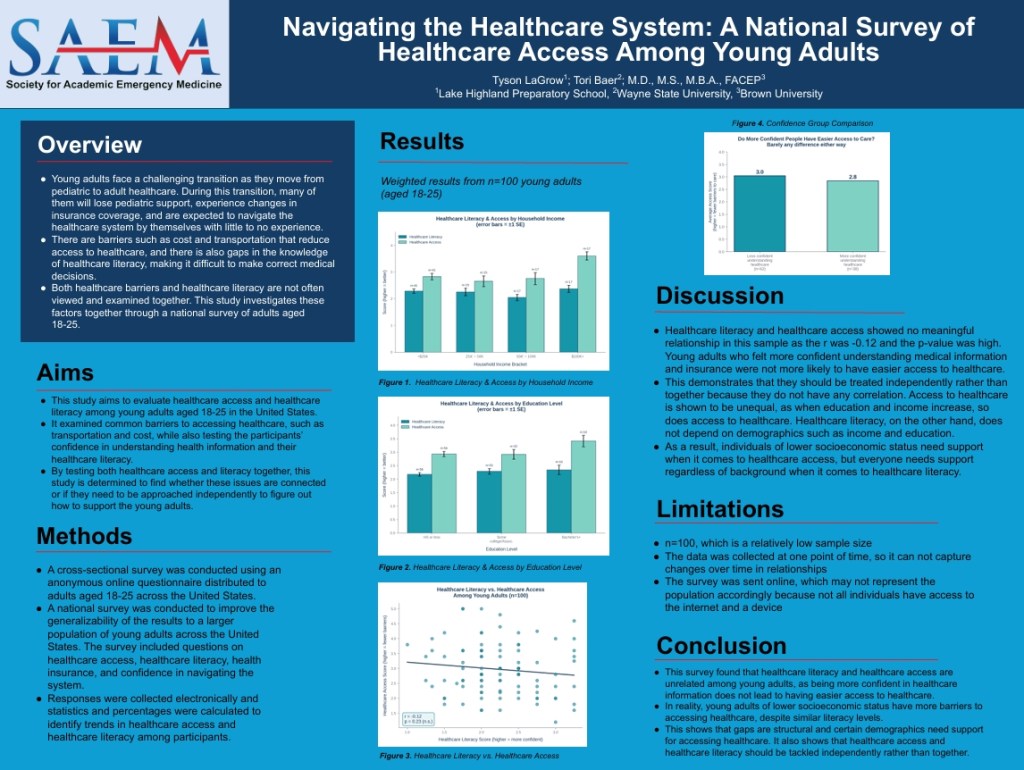
The research project focused on healthcare access and literacy among young adults aged 18–25, examining barriers like cost and transportation. The author gained valuable experience presenting findings at SAEM and plans to publish a paper. This work enhanced their interest in research and understanding health-related issues.
-

The American Red Cross highlights a critical blood donation need in the US, with someone requiring blood every two seconds. Despite 62% of individuals being eligible, only about 3% actually donate. Each donation can save up to three lives, emphasizing the vital role of donors in maintaining blood supplies for patients in need.
-

Myopia is rapidly increasing worldwide, projected to affect 50% of the population by 2050, particularly among youth in East Asia. This rise is attributed to excessive close-up activities and insufficient outdoor time. Encouraging outdoor exposure can mitigate risks, suggesting that simple adjustments can benefit eye health amidst digital engagement.
-
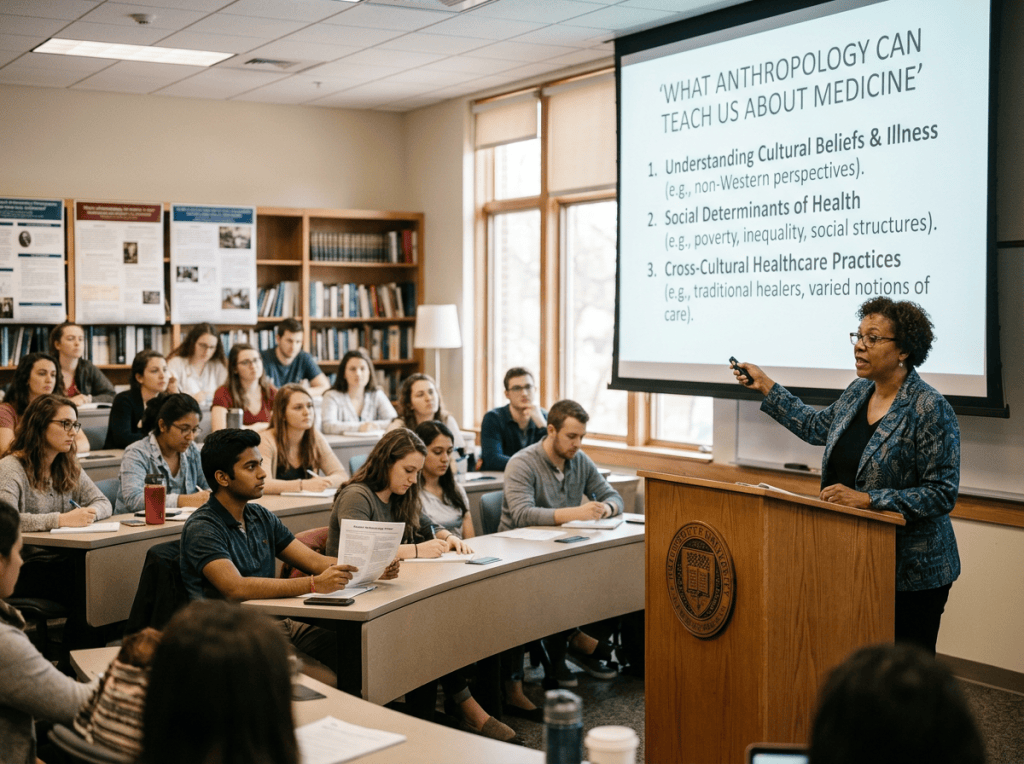
Dr. Michelle Lampl at Emory University exemplifies the intersection of anthropology and medicine, highlighting the importance of a multidisciplinary approach to health. With an MD and a PhD in anthropology, her research encompasses human growth, nutrition, and environmental factors, emphasizing that health is influenced by diverse elements beyond biology.
-

This summer’s Cyclospora outbreak, linked to iceberg lettuce from Taylor Farms de Mexico, resulted in over 14,000 cases in Michigan and more than 11,000 illnesses nationwide. Local health departments, overwhelmed by the response, faced staffing shortages, highlighting the importance of public health infrastructure even outside of pandemics.
-

COVID exhibits a unique pattern, peaking in both late summer and winter, influenced by increased travel and social interactions. Current immunity from vaccinations and prior infections enhances resilience. Ongoing monitoring, including wastewater surveillance, is crucial as COVID may persist, necessitating adaptable public health responses to new waves of infection.
-
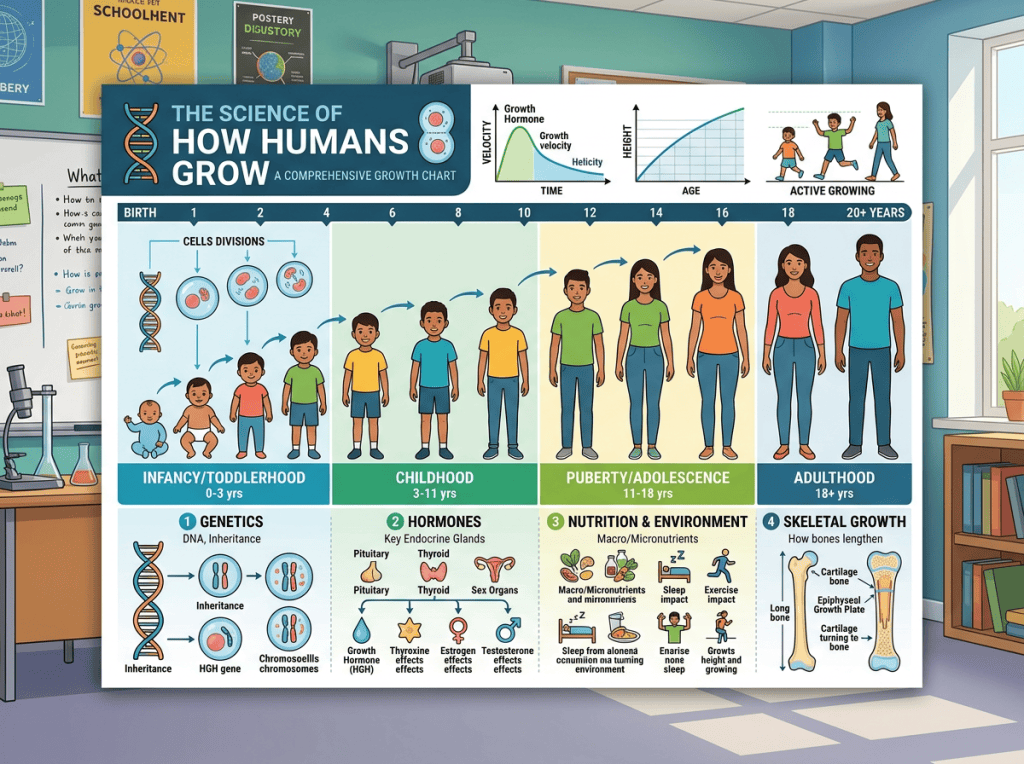
Dr. Michelle Lampl’s research at Emory University reveals that human growth is not a steady process but occurs in “saltatory” bursts, with periods of little or no growth. Her findings emphasize the complexity of growth, aiding in understanding nutrition and health. Lampl’s dual MD and PhD in anthropology enrich her interdisciplinary approach.
-

Many young people rely on their phones for health information, often encountering misleading content, termed an “infodemic” by the WHO. This misinformation can lead to poor health decisions, reduced vaccine uptake, and distrust in experts. Promoting health literacy is crucial for verifying credible sources and making informed choices.
-

The author reflects on their generation’s experience with pandemics, emphasizing the inevitability of future outbreaks like “Disease X.” The WHO Pandemic Agreement of May 2025 aims for global cooperation in disease prevention and response. With pandemics considered national security threats, proactive public health measures are crucial, inspiring the author’s ambition to pursue medicine.
-
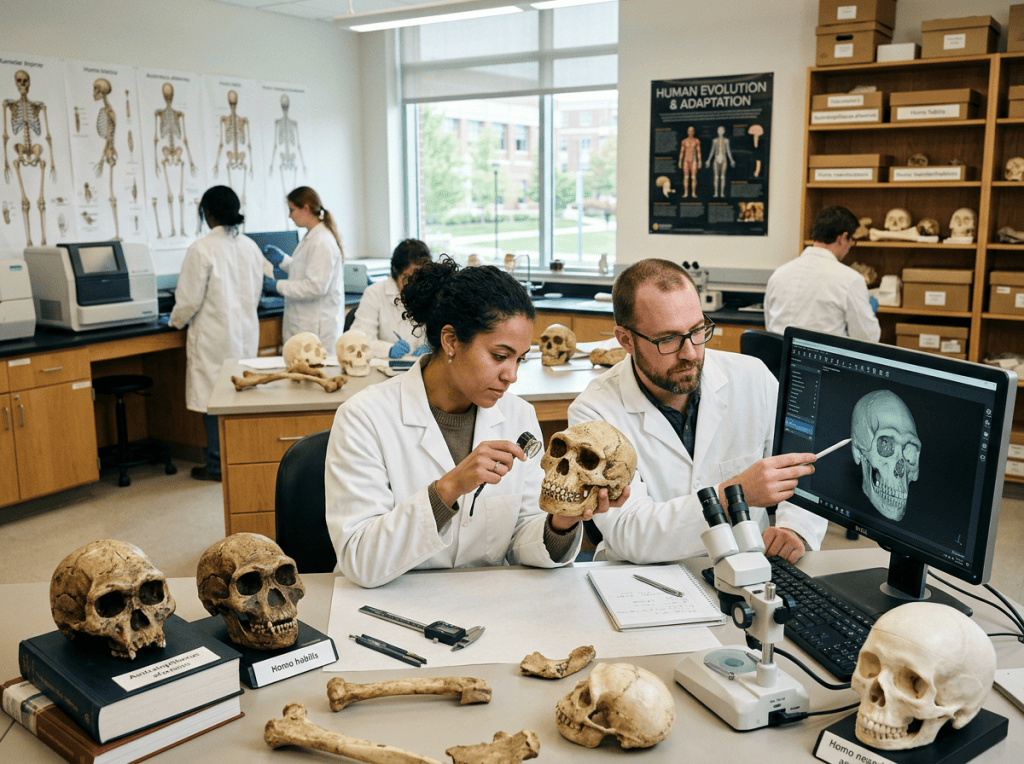
The author expresses interest in Emory University’s Anthropology and Human Biology program, which merges human biology with anthropology to explore how various factors influence health. They emphasize the importance of understanding cultural and environmental contexts alongside biological sciences, aiming for a holistic perspective on human health as preparation for medical school.

