Category: health
-

Sudden cardiac arrest is a leading cause of death for young athletes, with survival rates around 10% if untreated. A study showed that 48% of young athletes survived cardiac arrest, increasing to 89% with AED use. Bystander CPR is crucial but infrequently performed; training in CPR can empower individuals to save lives.
-

The author reflects on the importance of the gut microbiome in their journey to gain weight healthily. They learn that trillions of microbes help with digestion, immunity, and even mood regulation. A diet rich in fiber from whole foods supports beneficial bacteria, while processed foods promote harmful ones, impacting overall health significantly.
-
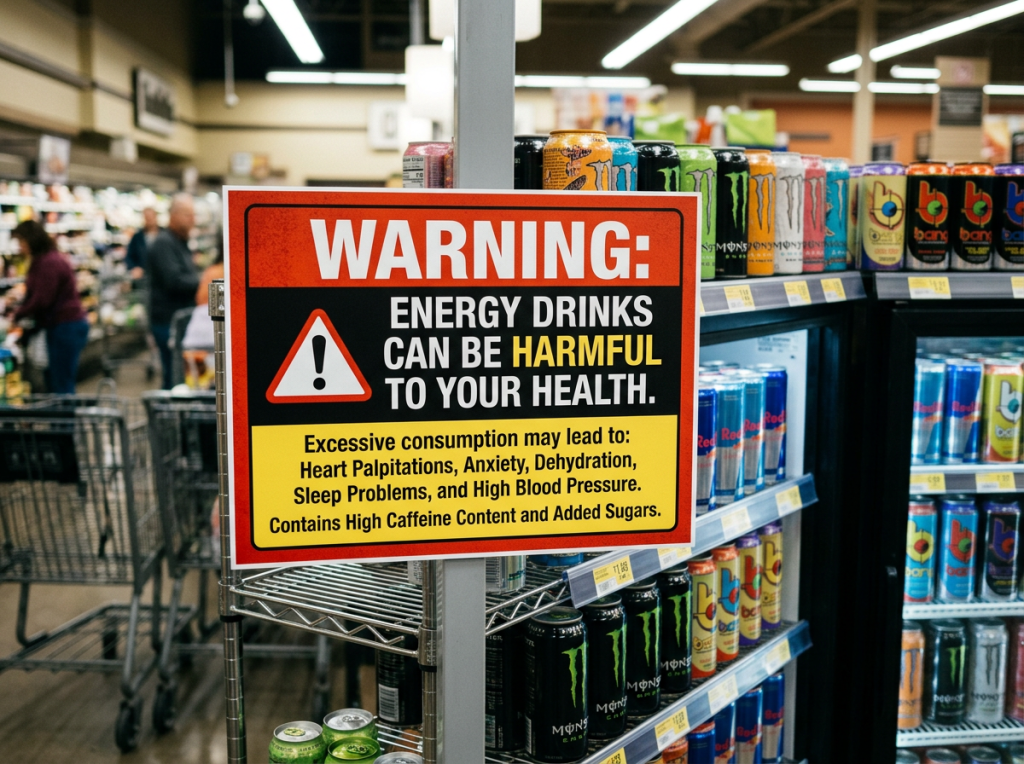
Energy drinks, heavily marketed to athletes and teens, pose significant health risks. They often contain excessive caffeine, exceeding recommended daily limits for young people, leading to increased heart rates, anxiety, and sleep issues. The American Academy of Pediatrics advises against their consumption, emphasizing that water and proper nutrition are safer alternatives for performance.
-
Chronic Traumatic Encephalopathy (CTE) is a brain disease associated with repeated head impacts, including minor ones. A CDC study reveals youth tackle football players experience significantly more head impacts than those in flag football. An NIH study found over 40% of athletes under 30 exhibited CTE. Protecting the brain is crucial.
-

The author, a Florida track athlete, emphasizes the dangers of exertional heat stroke, a leading cause of preventable death in high school sports, exacerbated by climate change. Awareness and quick response can make a crucial difference. Being informed and prioritizing safety over toughness in extreme heat can save lives.
-
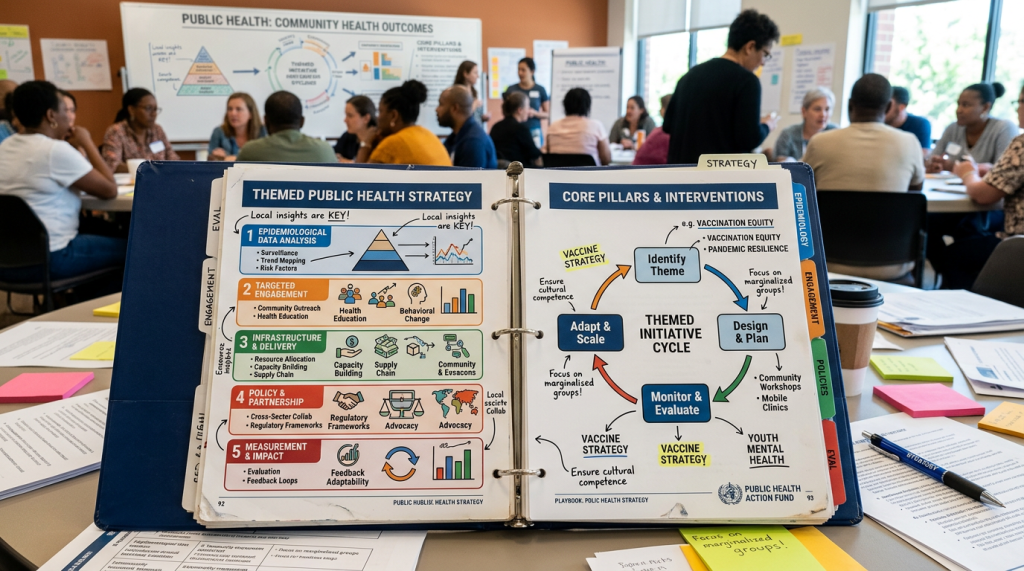
This blog is about how grandmothers’ health challenges sparked a passion for preventive care in public health. Through various volunteer roles, I recognized the importance of preventing illness rather than just treating it. Motivated by a desire to address health disparities, I am committed to focusing on disease prevention throughout their life.
-

Reading nutrition labels has revealed that many shelf items are ultra-processed, including snacks and fast food. A 2024 BMJ review connected these foods to numerous health risks, like heart disease and diabetes. Understanding the difference between real food and junk is crucial for health, as these issues are becoming global.
-
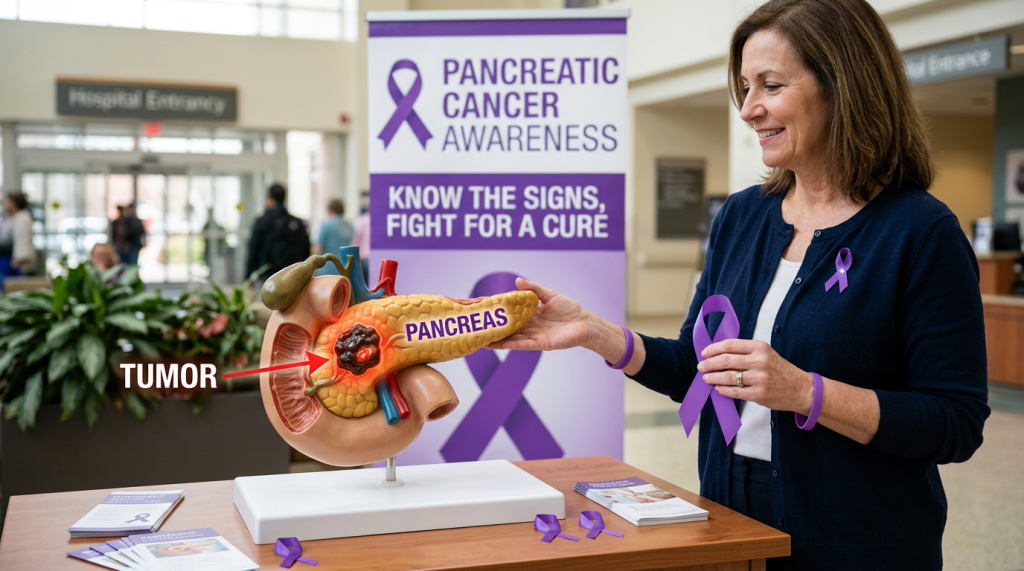
I reflect on my grandmother’s death from pancreatic cancer, emphasizing its deadliness due to late diagnosis and lack of screening. With only a 13% five-year survival rate, risk factors like smoking, obesity, and diabetes are highlighted. The author advocates for prevention, acknowledging the challenges without blaming their grandmother.
-

Music, especially in the form of creating and listening to it, significantly benefits mental health by reducing anxiety, lowering blood pressure, and enhancing mood and memory. Research highlights how music activates the brain, offering a free tool for improving well-being amidst mental health challenges. Engaging with music enhances both relaxation and performance.
-

Air quality poses a significant global health risk, affecting 99% of the population and contributing to approximately 7.9 million deaths annually, according to the State of Global Air 2025 report. Air pollution, often invisible, impacts everyone’s health, especially vulnerable communities, emphasizing the need for cleaner air as essential for well-being.

