Category: healthcare
-

Before shadowing anesthesiology, I viewed anesthesia simply as sedation. However, I discovered it involves meticulous patient monitoring and teamwork among medical staff. Effective communication is vital for patient safety, as anesthesiologists must collaborate closely with surgeons and nurses. Trust between patients and their care team is essential for positive outcomes.
-
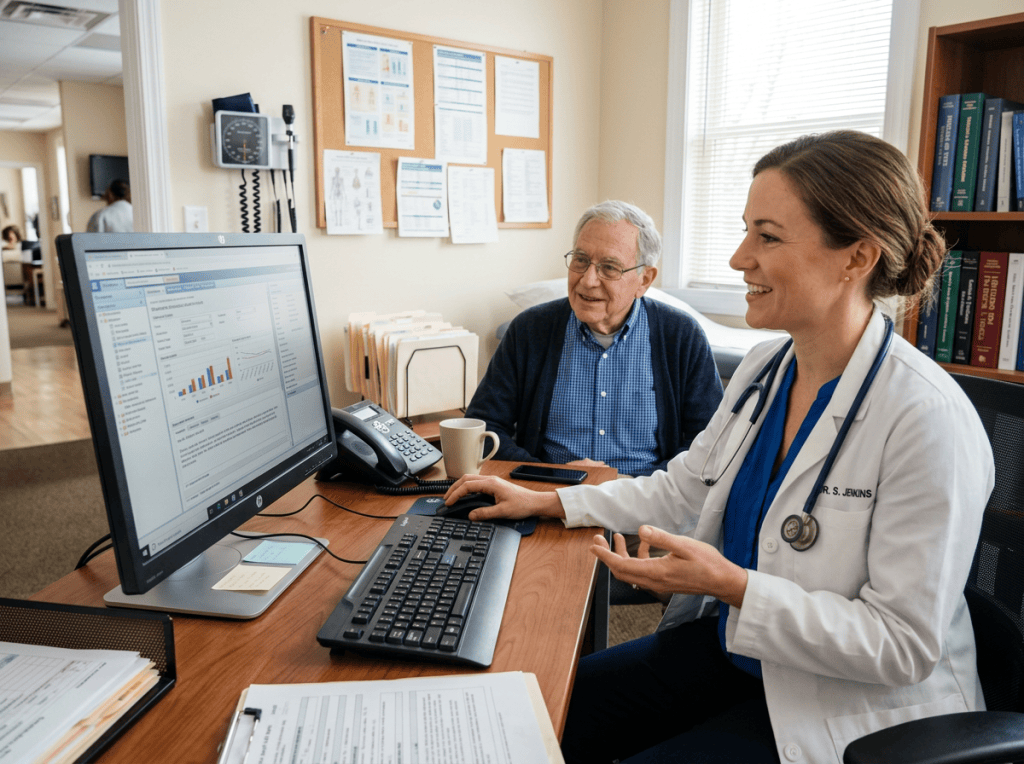
A recent AMA survey revealed that 81% of physicians utilize AI at work for tasks like summarizing research and documenting patient visits. Many see AI as a tool to reduce burnout, though concerns exist regarding patient privacy and skill loss. The integration of AI in medicine may evolve as technology advances.
-

AI is increasingly influencing medicine, demonstrating potential in diagnosing complex cases, sometimes outperforming doctors. However, the human connection in patient care remains irreplaceable. While AI shows promise, its effectiveness and safety in real-world applications are still being studied. Future medical practice may involve collaboration between doctors and AI, enhancing patient care.
-
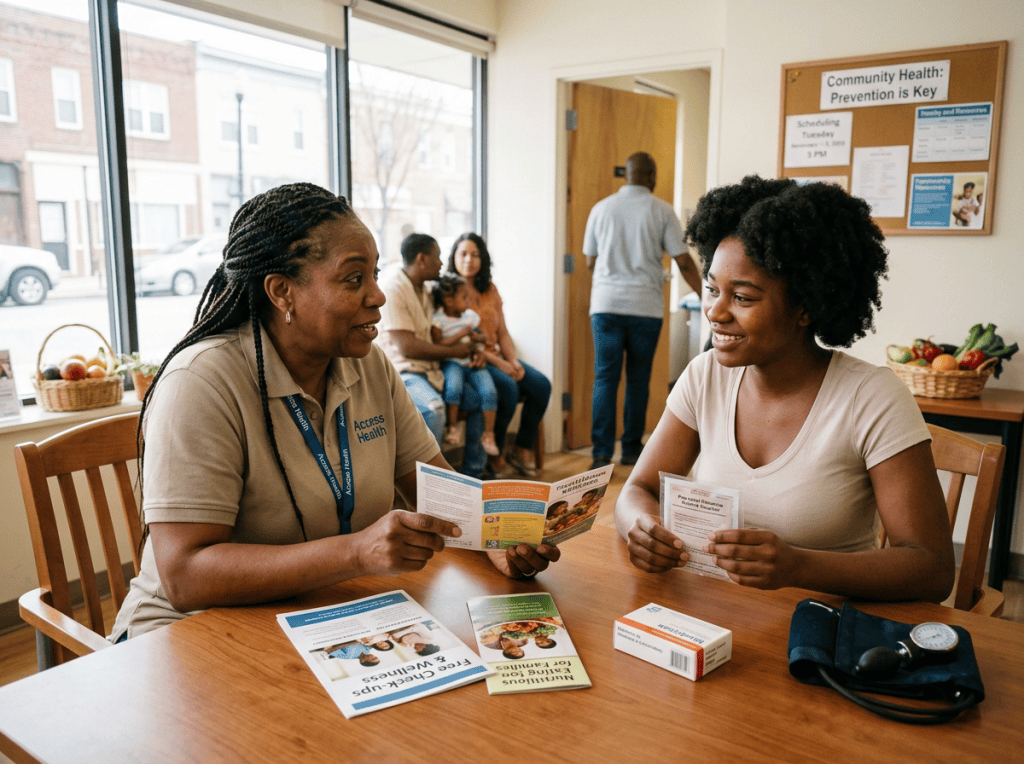
Healthcare is more than just treatment when sick. My experience as a virtual intern in Bauchi, Nigeria, highlighted the importance of factors like clean water and accessibility to healthcare. This has shifted my perspective, emphasizing the significance of external conditions impacting health.
-
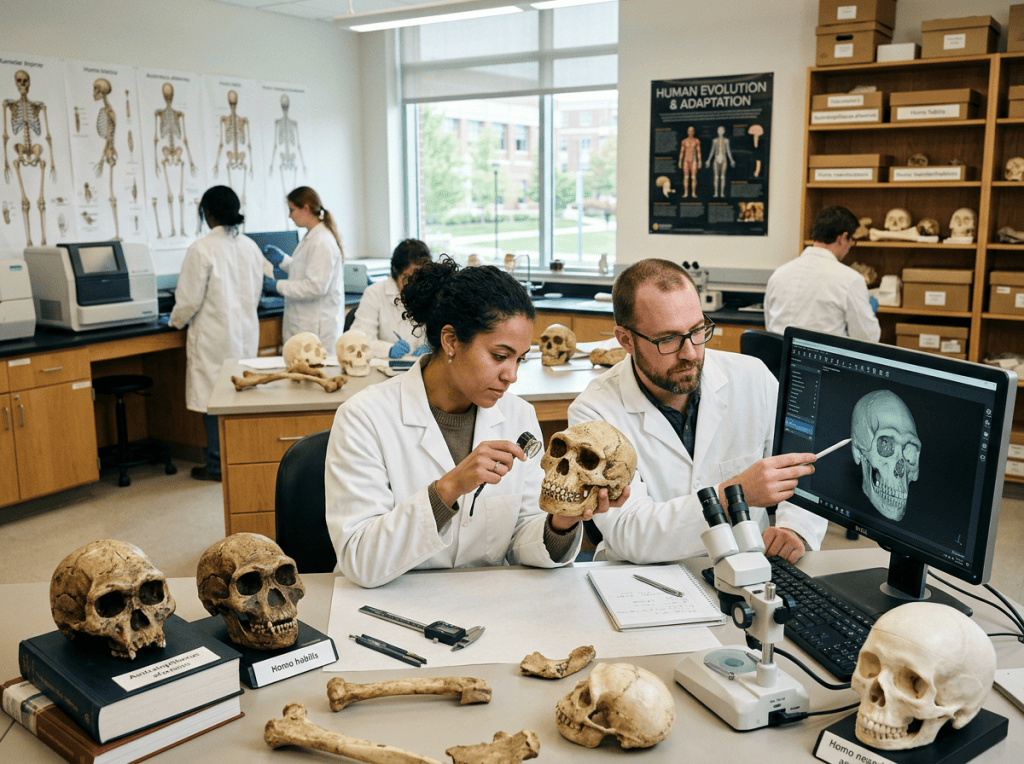
The author expresses interest in Emory University’s Anthropology and Human Biology program, which merges human biology with anthropology to explore how various factors influence health. They emphasize the importance of understanding cultural and environmental contexts alongside biological sciences, aiming for a holistic perspective on human health as preparation for medical school.
-
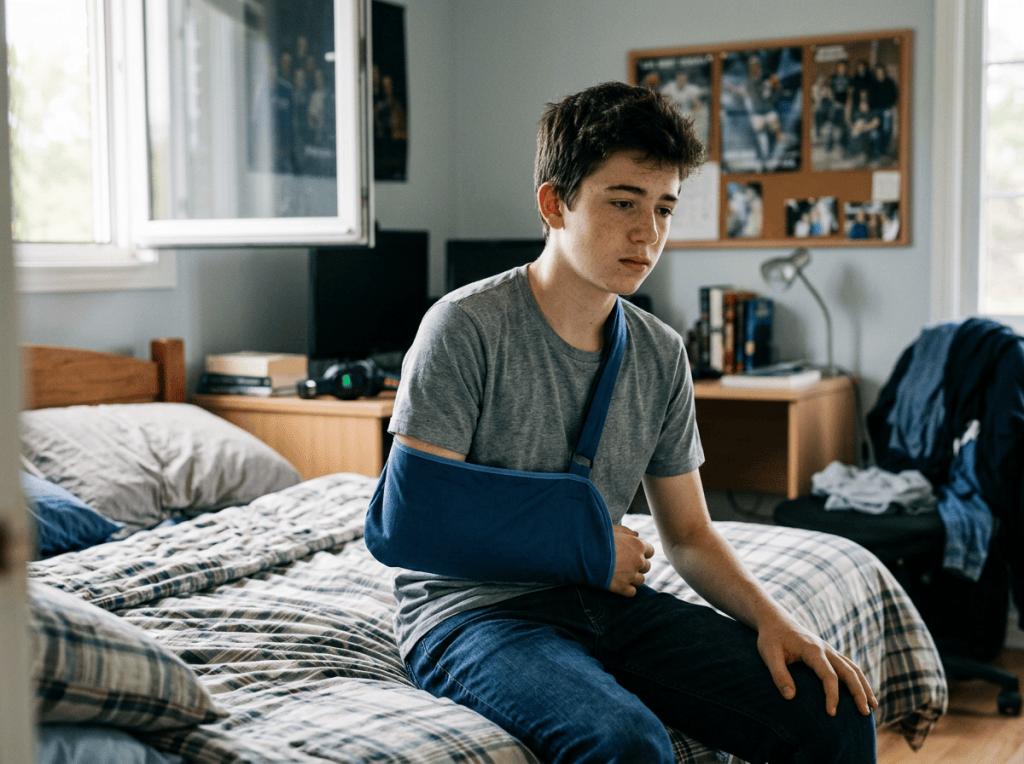
The author reflects on their experience with weightlifting and a shoulder injury that resulted from overuse. They emphasize that rest is crucial for strength gains, contrary to the belief that constant training equates to commitment. Proper recovery is essential, and ignoring it can lead to injuries and diminished performance.
-
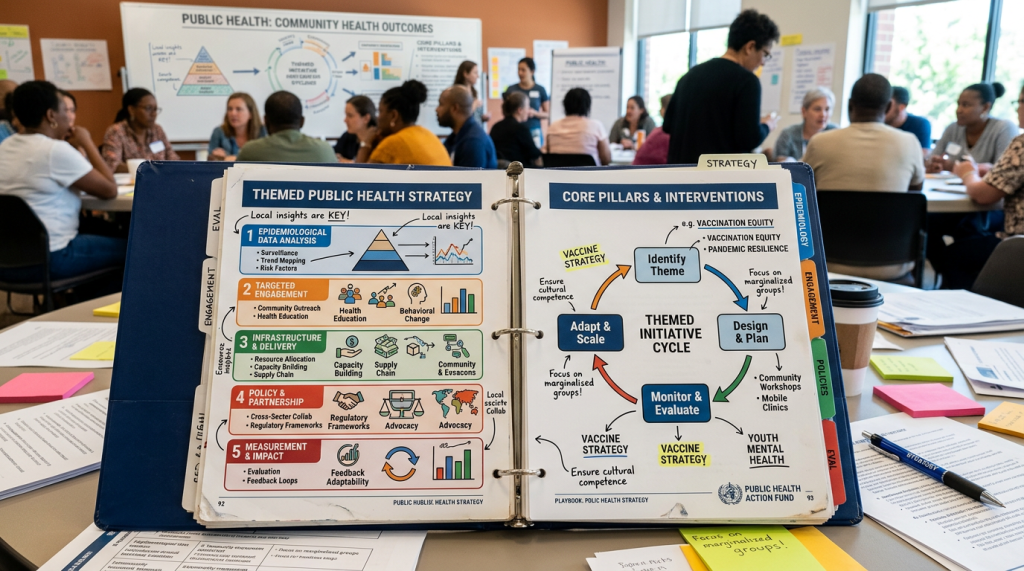
This blog is about how grandmothers’ health challenges sparked a passion for preventive care in public health. Through various volunteer roles, I recognized the importance of preventing illness rather than just treating it. Motivated by a desire to address health disparities, I am committed to focusing on disease prevention throughout their life.
-
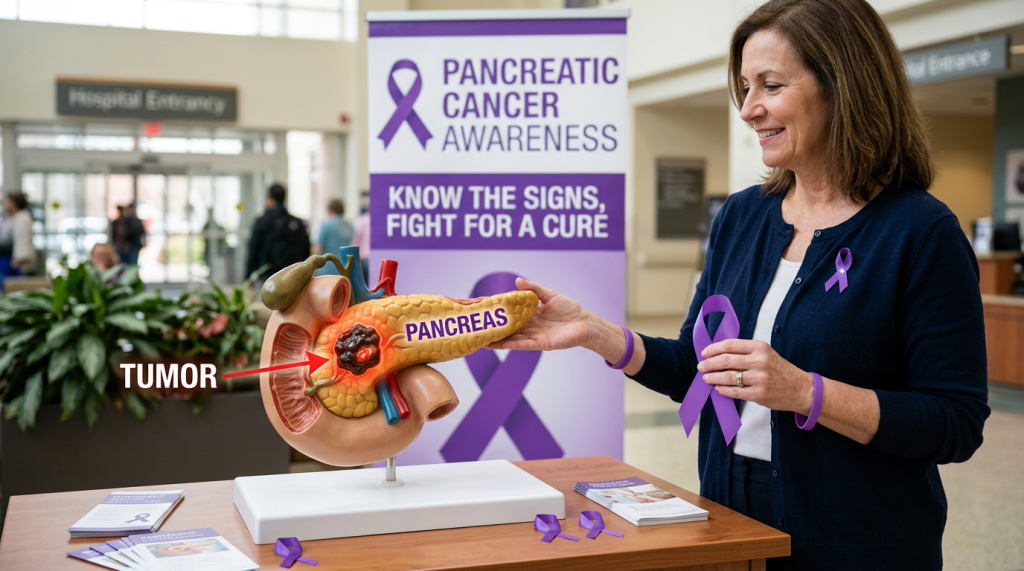
I reflect on my grandmother’s death from pancreatic cancer, emphasizing its deadliness due to late diagnosis and lack of screening. With only a 13% five-year survival rate, risk factors like smoking, obesity, and diabetes are highlighted. The author advocates for prevention, acknowledging the challenges without blaming their grandmother.
-
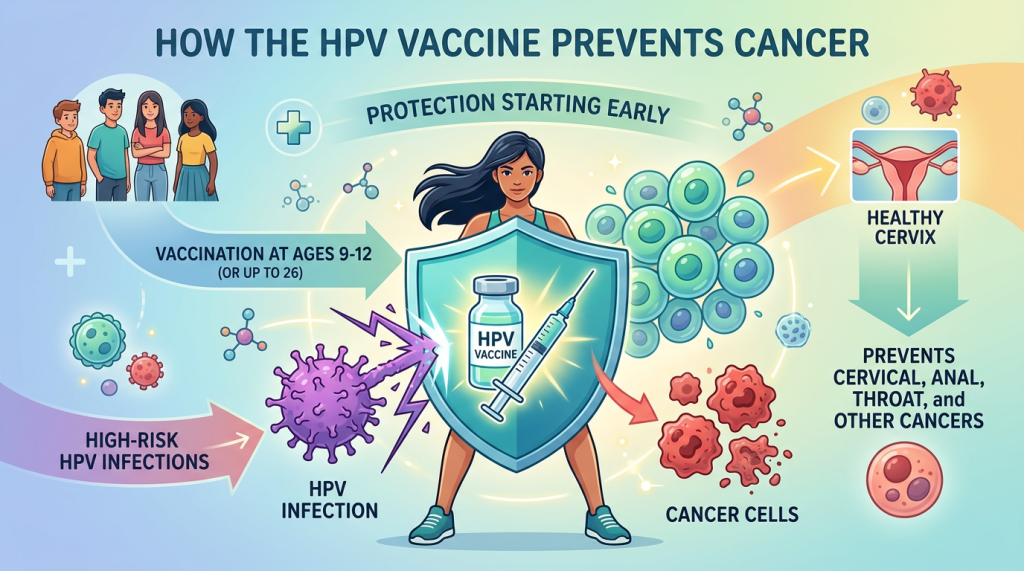
The HPV vaccine is a significant tool in cancer prevention, capable of preventing over 90% of cancers linked to HPV. Studies show it drastically lowers the risk of cervical cancer when administered before age 17. Ensuring widespread access to this vaccine is crucial for maximizing its life-saving potential.

