Category: public health
-

The American Red Cross highlights a critical blood donation need in the US, with someone requiring blood every two seconds. Despite 62% of individuals being eligible, only about 3% actually donate. Each donation can save up to three lives, emphasizing the vital role of donors in maintaining blood supplies for patients in need.
-

This summer’s Cyclospora outbreak, linked to iceberg lettuce from Taylor Farms de Mexico, resulted in over 14,000 cases in Michigan and more than 11,000 illnesses nationwide. Local health departments, overwhelmed by the response, faced staffing shortages, highlighting the importance of public health infrastructure even outside of pandemics.
-

COVID exhibits a unique pattern, peaking in both late summer and winter, influenced by increased travel and social interactions. Current immunity from vaccinations and prior infections enhances resilience. Ongoing monitoring, including wastewater surveillance, is crucial as COVID may persist, necessitating adaptable public health responses to new waves of infection.
-

Many young people rely on their phones for health information, often encountering misleading content, termed an “infodemic” by the WHO. This misinformation can lead to poor health decisions, reduced vaccine uptake, and distrust in experts. Promoting health literacy is crucial for verifying credible sources and making informed choices.
-

The author reflects on their generation’s experience with pandemics, emphasizing the inevitability of future outbreaks like “Disease X.” The WHO Pandemic Agreement of May 2025 aims for global cooperation in disease prevention and response. With pandemics considered national security threats, proactive public health measures are crucial, inspiring the author’s ambition to pursue medicine.
-

Every day in 2023, over 700 women die from preventable childbirth-related causes, predominantly in low-income countries. With 260,000 annual deaths, access to skilled care and prenatal services is crucial. While the global maternal death rate has decreased 40% since 2000, efforts must continue to ensure safe childbirth regardless of location.
-
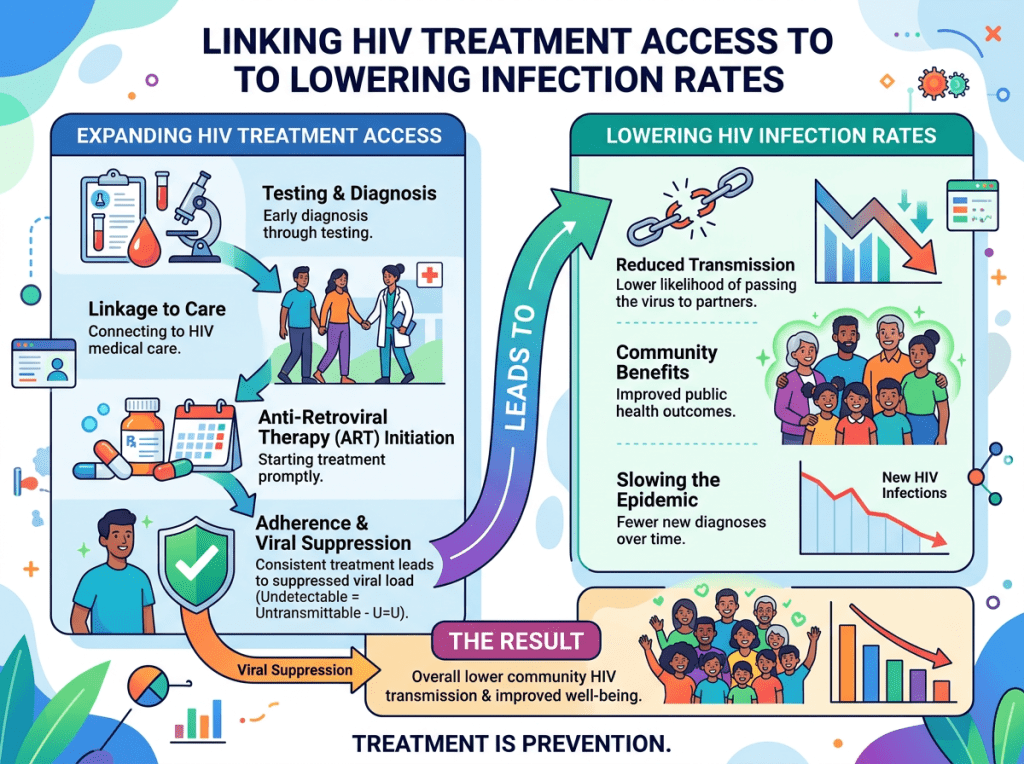
This post highlights a significant achievement in public health: the decline in AIDS-related deaths due to improved access to treatment. From a peak of 2.1 million deaths in 2004 to 630,000 in 2024, global efforts, including funding and medical advancements, have enabled 31.6 million people to live with HIV effectively.
-

Measles cases surged in the US in 2025, reaching over 2,200 infections, due to a decline in vaccination rates among kindergartners from 95% to 92.5%. This reduction has jeopardized herd immunity, necessary to protect vulnerable populations. Effective vaccination, particularly the MMR vaccine, is crucial for preventing outbreaks and safeguarding the community.
-
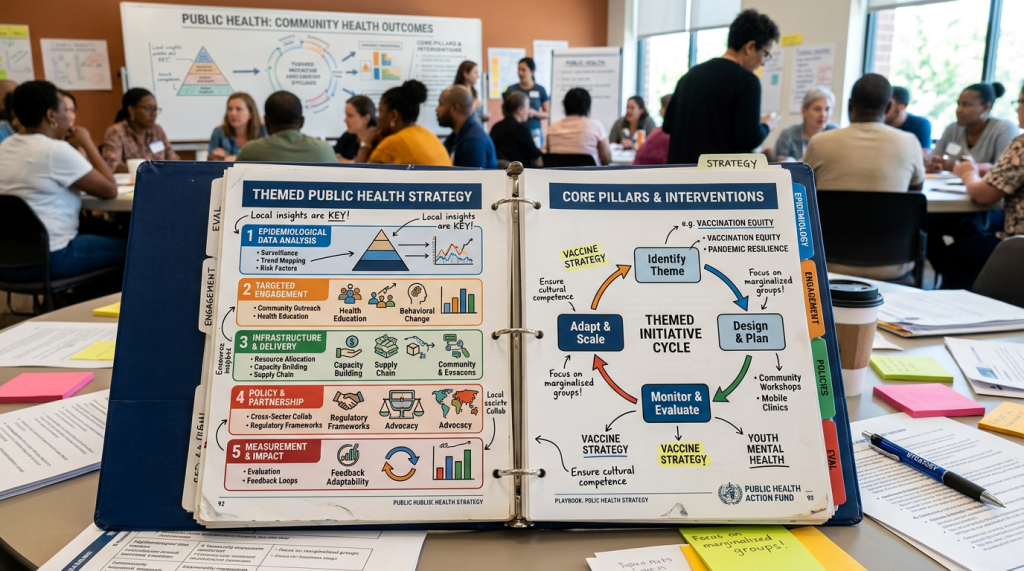
This blog is about how grandmothers’ health challenges sparked a passion for preventive care in public health. Through various volunteer roles, I recognized the importance of preventing illness rather than just treating it. Motivated by a desire to address health disparities, I am committed to focusing on disease prevention throughout their life.
-
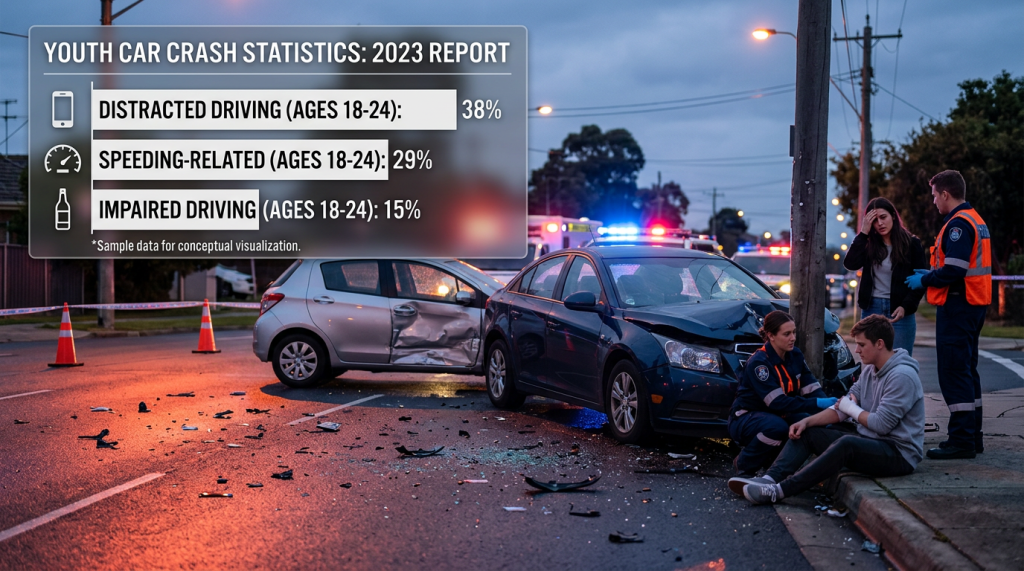
Road crashes are the leading cause of death for individuals aged 5 to 29 globally, with approximately 1.19 million fatalities each year. Many crashes are preventable through simple measures like wearing seatbelts, avoiding phone distractions, and ensuring adequate sleep. Implementing these habits can significantly reduce youth fatalities on the road.

