• Your Earbuds Are Lying to You About the Volume

    I basically live in my headphones. I make beats, I listen to music every morning and every night, and I’ve been to a ton of concerts. So obviously, I was scared to research the damage that earbuds and loud noises can cause.

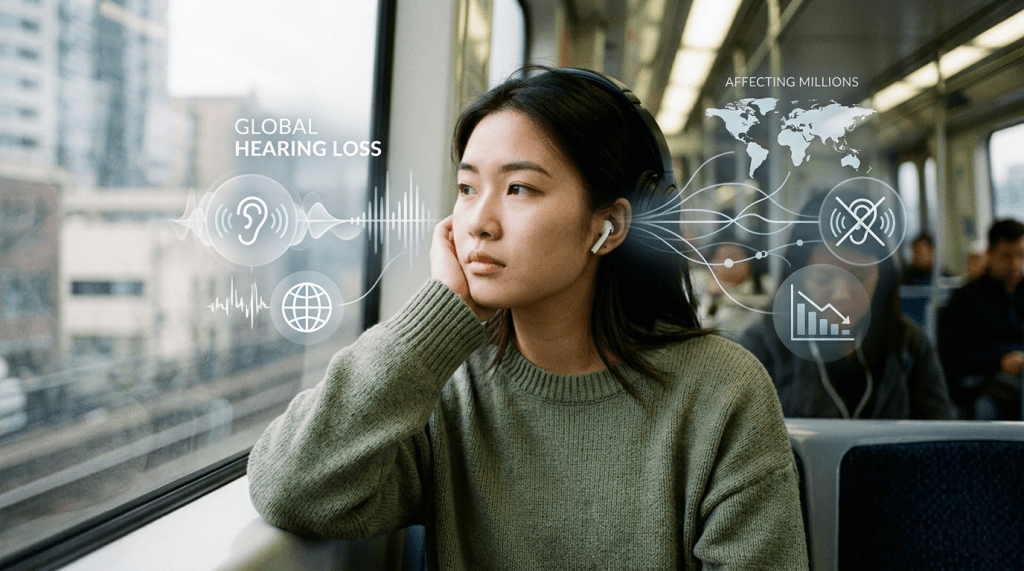
    The World Health Organization says over 1 billion young people are at risk of permanent hearing loss from unsafe listening. That’s earbuds cranked too loud, plus concerts, clubs, and loud events. And the scary part is that once those tiny cells in your ear get damaged, they don’t grow back. No medicine or surgery fixes it as well.

    There’s an easy fix people call the 60/60 rule: keep the volume under 60% and take breaks instead of blasting it for hours straight. That’s it. You don’t have to give up your music; you just can’t max it out all the time.

    As the VP of my school’s music club, this actually matters to me beyond just “be careful.” You can’t produce a clean track or catch the little details in a mix if your hearing is damaged. Think about protecting your ears as a long-term investment: the less you expose them to loud noises that can cause them harm, the better you can listen to music 60 years from now.

    Bottom line: Turn it down a little now so you can still hear it later.
  • The Deadliest Animal on Earth Is Smaller Than a Penny

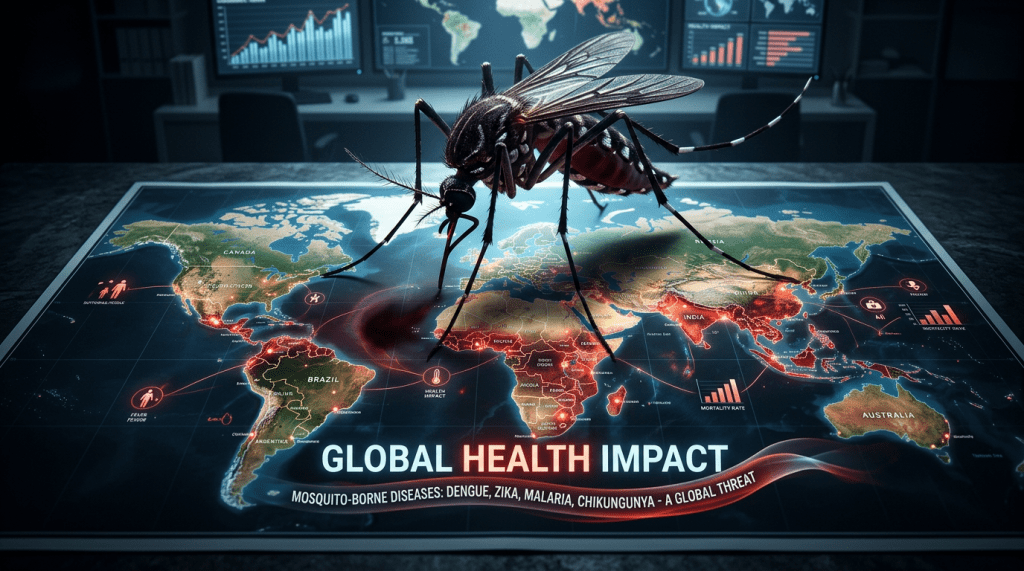
    What’s the deadliest animal in the world? Most people guess sharks, or maybe snakes, but it’s surprisingly the mosquito. The CDC calls it the world’s deadliest animal.

    Here’s why. Malaria, which mosquitoes spread, caused around 282 million cases and roughly 597,000 deaths in 2024, according to the WHO. Most of those deaths are kids under 5, and most happen in Africa. Nigeria has the heaviest impact from mosquitoes of any country in the world.

    That last part hit personally for me, because I was part of an internship focused on public health in Bauchi, Nigeria. When you’ve connected to a community like that, a number like 597,000 stops being a number. It becomes people with unique personalities and beautiful families.

    The good news is malaria is preventable. Bed nets, repellent, and newer malaria vaccines are saving real lives. If you think of global health like a video game, the mosquito is the tiny enemy that somehow does the most damage on the whole map. If you underestimate it, it will wreck you.

    Bottom line: The smallest animal on Earth is the biggest killer, and we actually have tools to fight it.

  • How Education Impacts Health Outcomes

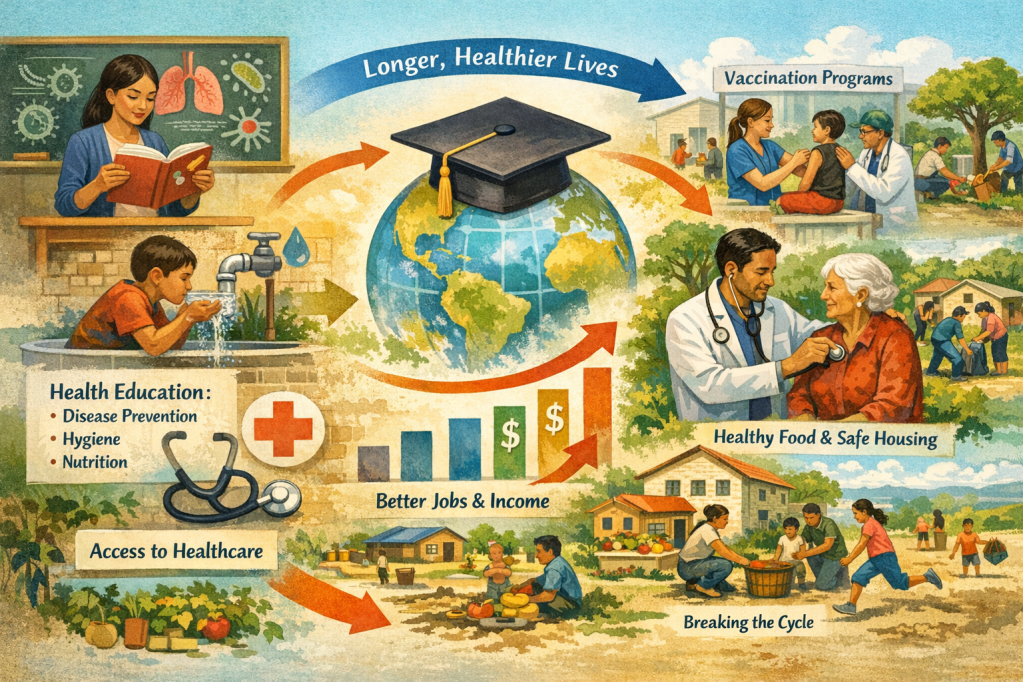
    When people talk about education, they usually focus on things like getting a good job or getting into a good college. But something a lot of people do not think about is how much education actually affects health. The more I learn about global health, the more I realize that school is not just about grades. It can literally change how long people live and how healthy they are.

    One of the biggest ways education impacts health is by helping people understand basic information about their bodies and health. For example, someone who stays in school longer is more likely to know how diseases spread or why clean water matters. They might also know when something feels wrong and that they should go to a doctor. When people do not have access to education, they might not get this kind of knowledge, which can lead to preventable illnesses.

    Education also affects health because it influences income. People with more education usually have better job opportunities, and better jobs often mean better access to healthcare, healthier food, and safer living conditions. It is not fair, but money plays a huge role in health, as when families earn more, they can afford things that keep them healthier in the long run.

    Another thing I have learned is that education helps communities. When more people in a community are educated, they tend to make better decisions about public health. This can include things like supporting vaccination programs or improving sanitation, creating a cycle where education leads to better health, and better health helps people stay in school.

    Overall, education is one of the strongest tools we have for improving health around the world. It is not just about learning facts, but rather it is also about giving people the chance to live healthier and safer lives.

  • What Public Health Even Is (And Why It’s Basically the Defense)

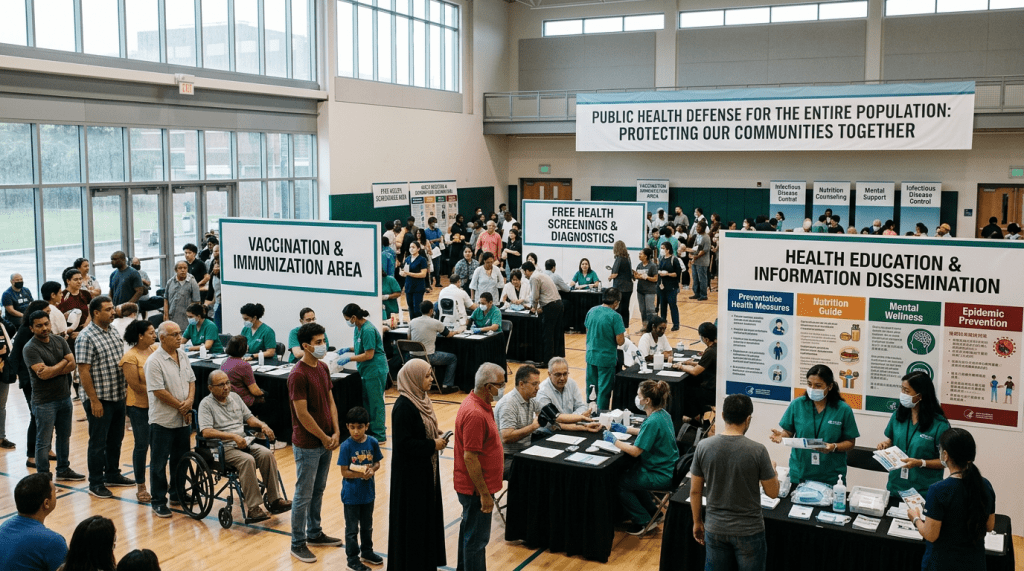
    Most people hear “doctor” and picture someone fixing you after you’re already sick. That’s medicine, and it’s huge. But public health is the other half, and it honestly doesn’t get enough credit. Public health focuses on keeping whole groups of people from getting sick in the first place. It focuses on clean water, vaccines, safe food, not smoking, catching stuff early.

    Here’s the part that made it click for me. When you look at what actually kills people, it’s not random freak accidents most of the time. According to the World Health Organization, 7 of the 10 leading causes of death in the world are noncommunicable diseases like heart disease, stroke, and diabetes, with heart disease at number one. Most of these are very preventable if people were more aware, which is wild to me. We mostly die from slow stuff we could’ve gotten ahead of.

    Let me put it in basketball terms. Everybody hypes the player dropping 40 points (the surgeon, the hospital). But defense is what actually wins championships, and nobody films a highlight reel of a good box-out. Public health is the defense, as it is quiet, not flashy, and stops the problem before it ever reaches the hoop. Public health is the less-known defense in keeping people healthy.

    My grandmother is a big reason I started caring about any of this. She smoked for years and passed away from pancreatic cancer. Losing her made me want to understand the “before” part of getting sick, not just the “after.”

    Bottom line: Public health is playing defense for an entire population, and defense wins.