• Obesity Rates Across the World

    Obesity is a growing health issue around the world, but it does not affect every country in the same way. Obesity is usually defined as having a body mass index (BMI) of 30 or higher, and it increases the risk of diseases like diabetes, heart disease, and stroke.

    Globally, obesity rates have risen quickly over the past few decades. The World Health Organization reports that worldwide adult obesity has more than doubled since 1990, and today over one billion people live with obesity. However, where people live makes a big difference. Some countries have very high obesity rates, while others have much lower ones.

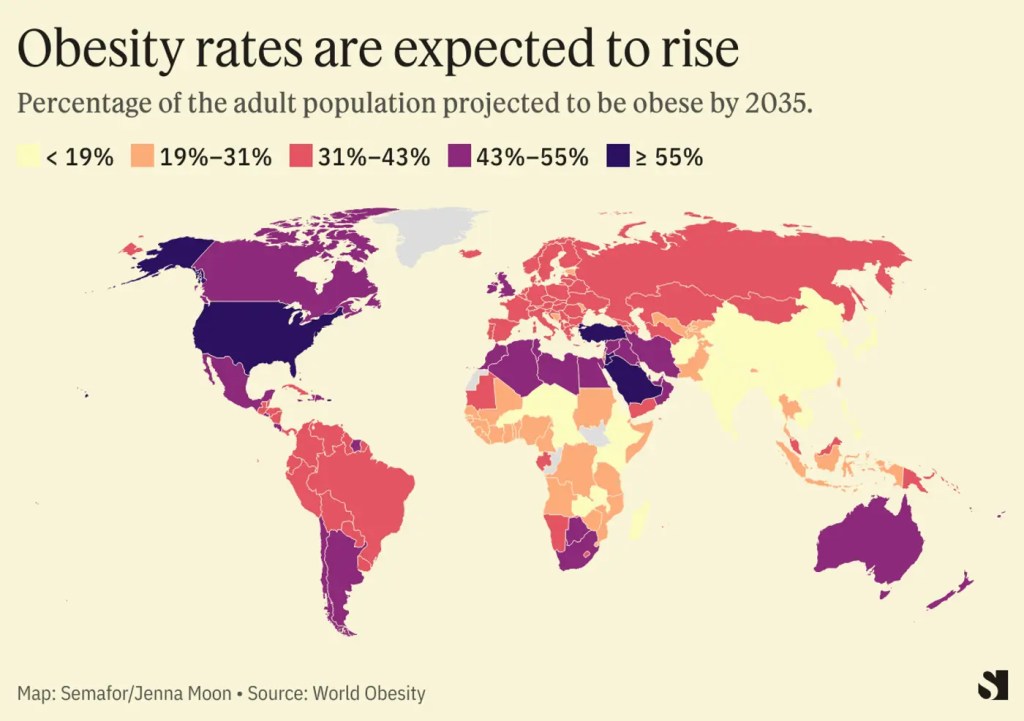
    Countries in the Pacific Islands, such as American Samoa, Tonga, and Nauru, have some of the highest obesity rates in the world, with well over half of adults classified as obese. In contrast, many countries in East and Southeast Asia, such as Japan and Vietnam, have much lower obesity rates. High-income countries like the United States, Canada, and the United Kingdom tend to have higher obesity rates than many low-income countries, although this gap is changing over time. The map below shows some of the details by country.

    Several factors help explain these differences. In wealthier countries, people often have easier access to processed foods that are high in sugar and fat, and many jobs involve sitting for long periods. In some developing countries, obesity used to be more common among wealthier people, but it is now increasing among poorer populations as diets and lifestyles change.

    Overall, obesity is a global problem, but it looks different from country to country. Understanding these differences can help governments and communities create better plans to improve health and prevent obesity in the future.
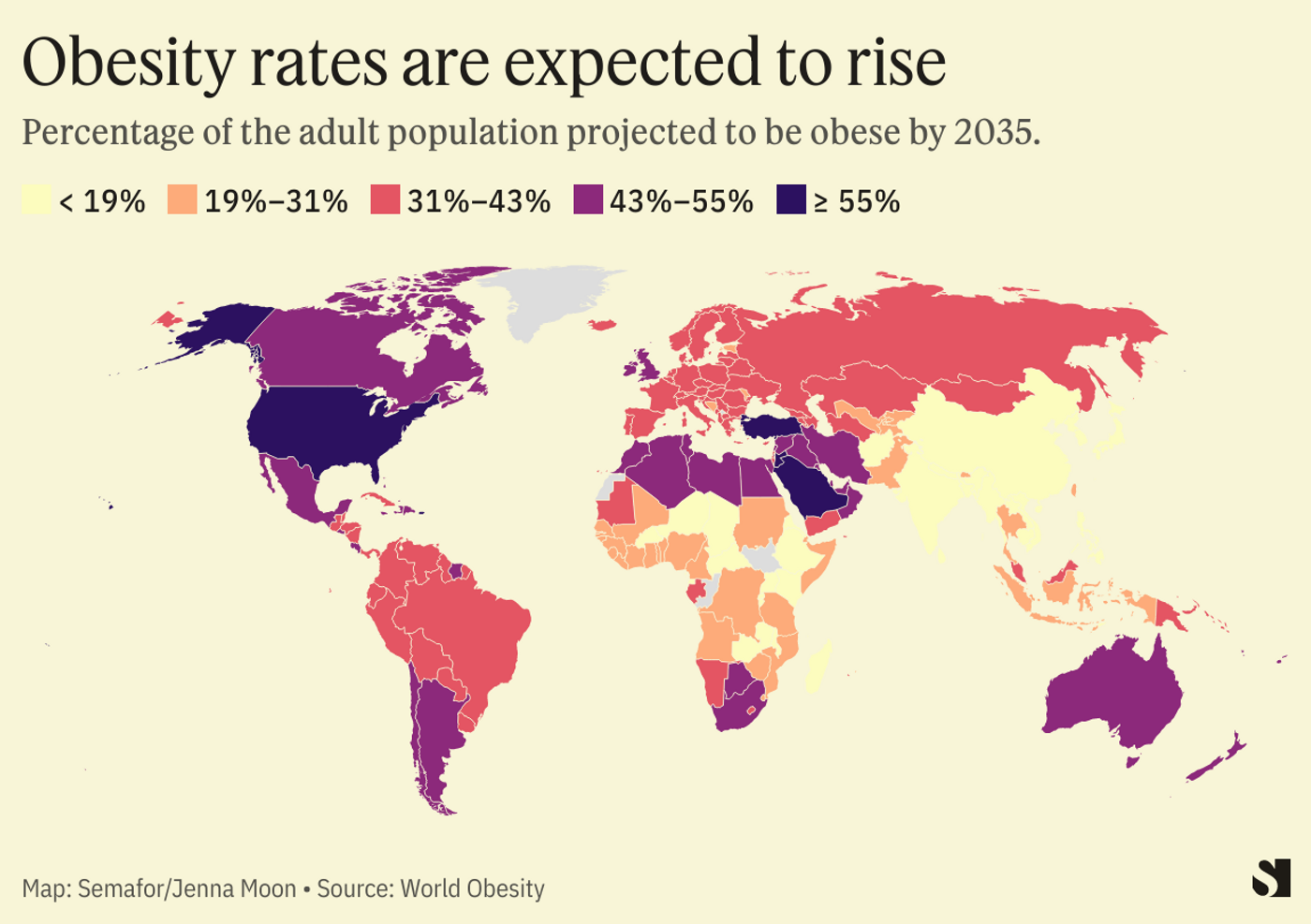
    The global obesity crisis explained in three maps | Semafor
  • How Stress Can Lead to Health Problems

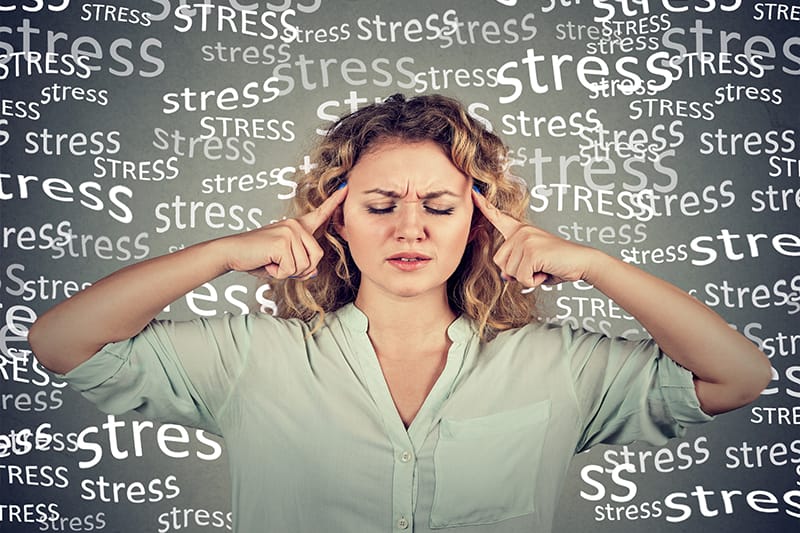
    Stress affects the body in more ways than most people realize, and understanding this connection can help people take better care of their health. When someone feels stressed, the body releases hormones like cortisol and adrenaline. These hormones are helpful in short bursts, like when you need to react quickly to danger, but they can cause problems when they stay high for a long time. If someone is dealing with ongoing stress, it can slowly wear down different systems in the body.

    One major effect of long term stress is on the immune system. The immune system is supposed to protect the body from infections, but high stress levels can weaken it. This makes it easier to get sick and harder to recover. People who are stressed a lot often notice they catch colds more easily or feel run down even when they are sleeping enough. Stress can also make existing health problems worse, like asthma, stomach issues, or headaches.

    Another way stress affects health is through inflammation. Inflammation is the body’s way of fighting off harm, but too much of it can lead to diseases over time. Research shows that chronic stress can increase inflammation, which is linked to conditions like heart disease and diabetes. Stress can also raise blood pressure and make the heart work harder, which adds even more risk.

    Mental health and physical health are also connected. When someone feels stressed, they might have trouble sleeping, eating well, or staying active. These habits can slowly create health problems on their own. Even though stress is a normal part of life, it becomes harmful when it builds up without any breaks.

    If stress is affecting your health or daily life, it is important to talk with a trusted adult or a healthcare professional who can help you find healthy ways to manage it. What kinds of stress do you notice most often in your daily routine?

  • Why Predicting Health Could Change Medicine

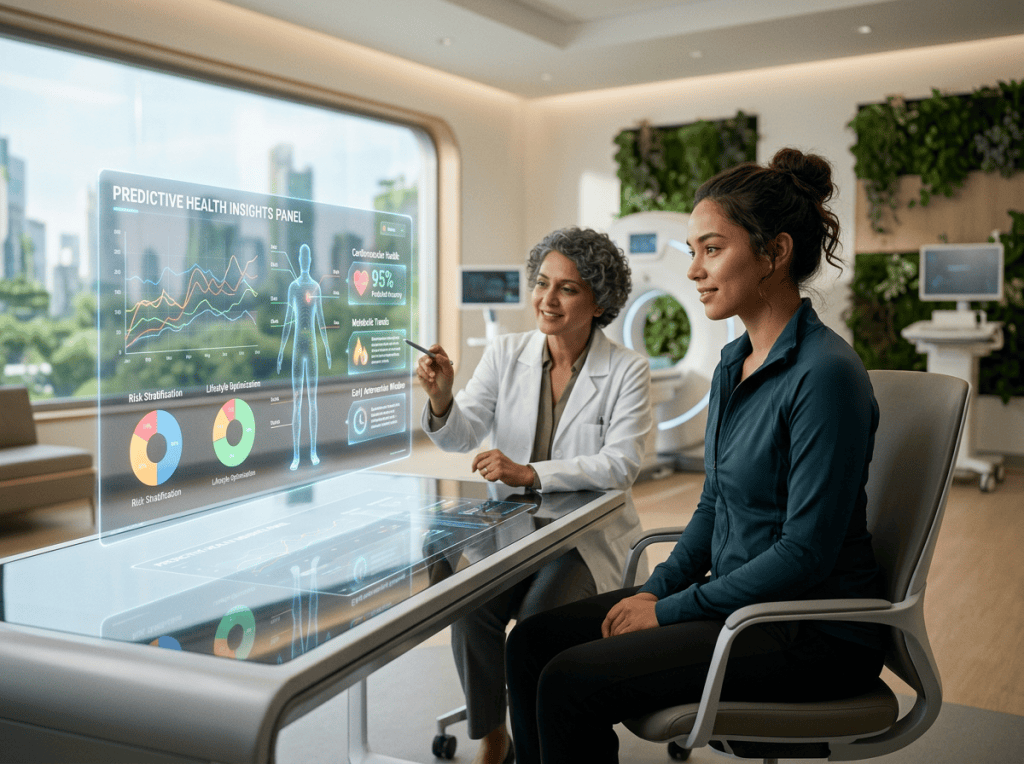
    Most of us think about medicine as something we need when we get sick. We develop symptoms and end up going to a doctor hoping to receive a diagnosis and treatment. But what if health care could do a better job of identifying problems before someone actually gets sick?

    This idea is part of what interests me about predictive health and the work of Dr. Michelle Lampl at Emory University. Dr. Lampl is co-director of Emory’s Predictive Health Institute and director of the Center for the Study of Human Health. She has researched human growth and development, including how nutrition, hormones, immune function, behavior, genetics and the environment interact during growth.

    The interesting part to me is the larger idea behind the research she does, because health isn’t just the not being sick. There are biological and environmental changes happening throughout our lives, and understanding those changes can help us recognize risks sooner.

    Dr. Lampl’s research on growth is a good example. Her work challenged the assumption that children grow continuously, and she was able to demonstrate that growth can actually happen in short bursts. Other research from her group examined relationships between growth and factors like sleep, weight gain and body composition.

    Predictive health connects closely with public health, which my blog talks a lot about. Instead of waiting until large numbers of people develop preventable diseases, public health tries to identify risks and stop them from happening earlier. This could involve nutrition, exercise, environmental exposures, access to health care or many other factors. I’ve talked about a lot of these in past blogs.

    This is the direction of medicine that interests me most. I want to learn how we can use science not only to treat disease, but also to understand health well enough to prevent disease when possible.

    Learning about researchers like Dr. Lampl makes me interested in Emory because her work includes many areas like medicine, anthropology, biology and public health. Those connections are exactly what make human health such an interesting field to me.

  • There’s a Vaccine That Prevents Cancer

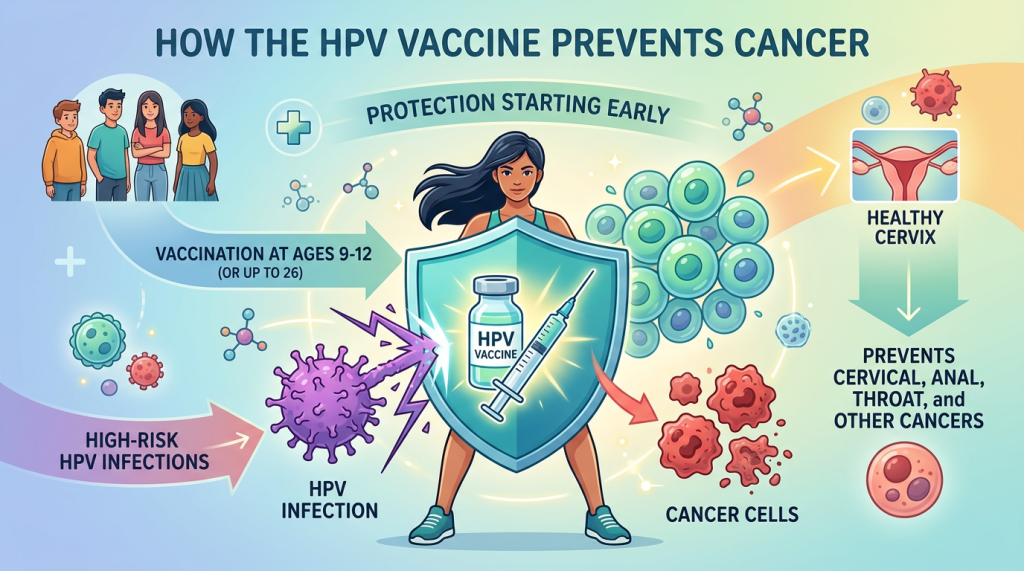
    Most people have no idea that one of our regular vaccines actually prevents cancer. When I found that out, I was very surprised.

    It’s the HPV vaccine. The CDC says it can prevent more than 90% of the cancers caused by HPV, and it protects against about six different types of cancer. A study in Sweden (reported by the National Cancer Institute) found that girls vaccinated before age 17 had almost 90% lower risk of cervical cancer. Doctors basically describe HPV vaccination as cancer prevention.

    After watching cancer take someone in my family, the idea that a single shot can stop certain cancers before they ever start feels almost unreal. Something so simple can stop something so detrimental. That’s prevention at its absolute best, getting ahead of the disease by years.

    The global health challenge is making sure everyone can actually get it, not just individuals in wealthy areas. A cancer-preventing vaccine only helps if it can reach people. But the science itself is one of the most hopeful things I have come across on this blog.

  • Your Heart Doesn’t Get a Day Off

    Think about this: your heart beats around 100,000 times a day, every day, with no breaks. So it makes sense that when it has problems, it’s a real deal.

    Cardiovascular disease (heart attacks, strokes, that whole family) is the number one cause of death in the entire world. The WHO estimates it killed about 19.8 million people in 2022. Here is the sneaky part: the biggest warning signs are things you can’t feel, like high blood pressure and high blood sugar.

    My grandmother has high blood pressure, which people call the “silent” risk for exactly that reason. You can feel totally fine while it’s quietly straining your heart and blood vessels for years.

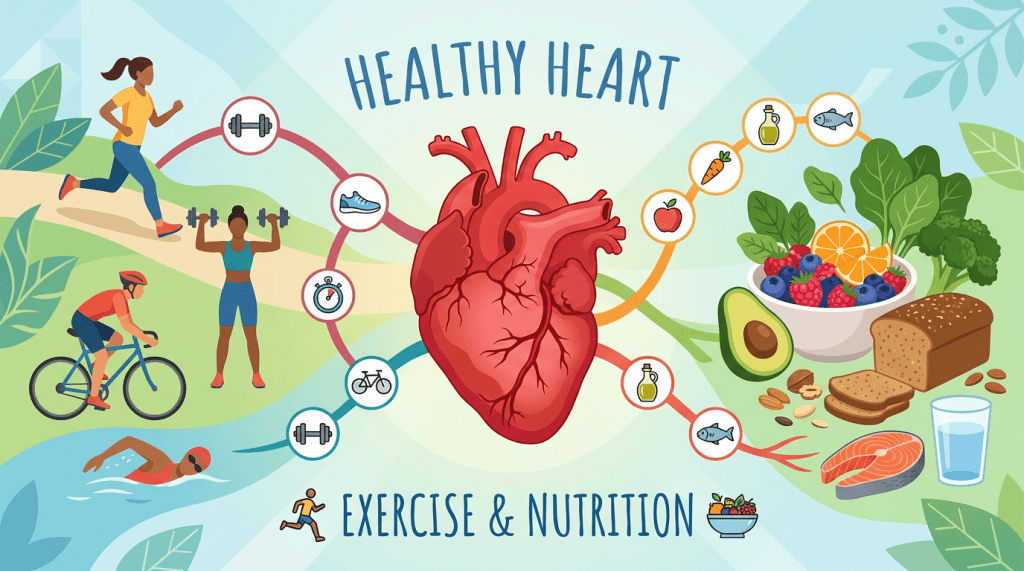
    The good news, and the reason I bring my sports stuff into everything, is that most heart disease is preventable. Doing things like moving your body, eating better, and not smoking are the main moves. When I’m training for track or lifting, I am actually strengthening my heart, which is prevention in real time. Your heart works for you nonstop, so it is worth making sure it stays healthy.

    Bottom line: Most heart disease is preventable, and the prevention is stuff you can start today.

    Read more: Cardiovascular diseases – World Health Organization

  • Vaping Is Just Smoking With Better Marketing

    This one is personal because my grandmother smoked for years, and it’s part of why she got pancreatic cancer. So when people my age act like vaping is not harmful, it doesn’t really land for me.

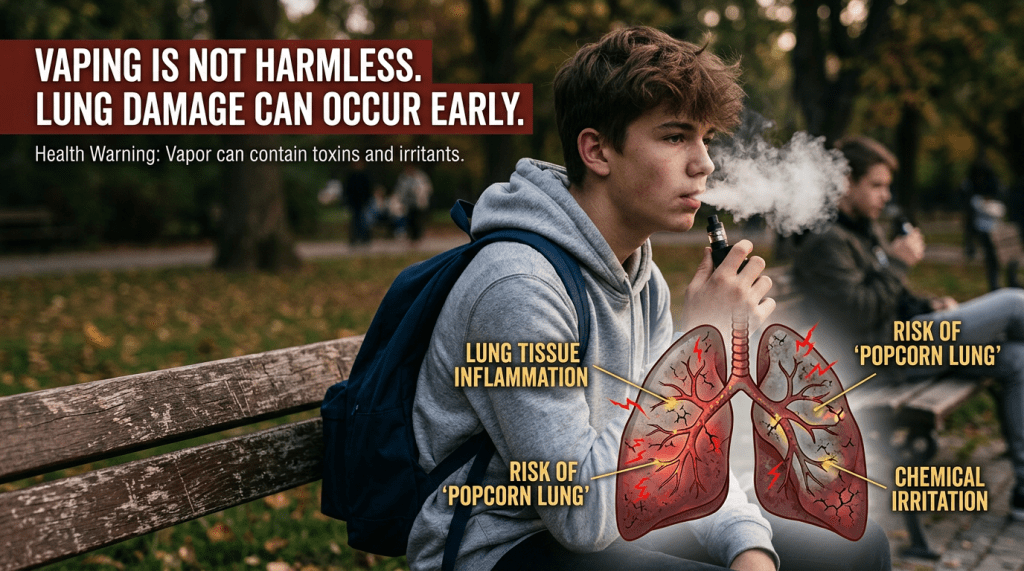
    The CDC reported that in 2024, about 1.63 million middle and high school students vaped. That made e-cigarettes the most used tobacco product among teens, and around 88% of high schoolers who vape use flavored ones. At the peak back in 2019, over 5 million teens were vaping. The flavors and the interesting designs aren’t an accident but rather a marketing strategy aimed straight at us.

    Here’s the thing. Vaping gets sold as the clean and milder, “it’s just water vapor” version of smoking. It still has nicotine, though, which is one of the most addictive things out there, and the long-term effects on developing lungs and brains are still being figured out.

    Watching what tobacco did to my family was hard. I want to spread awareness so that individuals are aware that vaping can cause serious long-term health effects, just like smoking.

    Bottom line: Vaping is smoking with a better disguise, and the addiction underneath is the same.

    Read more: E-cigarette use among youth – CDC

  • Soda Is Basically a Trap

    Sugary drinks are one of the sneakiest health problems out there, because they taste great and seem to cause no harm.

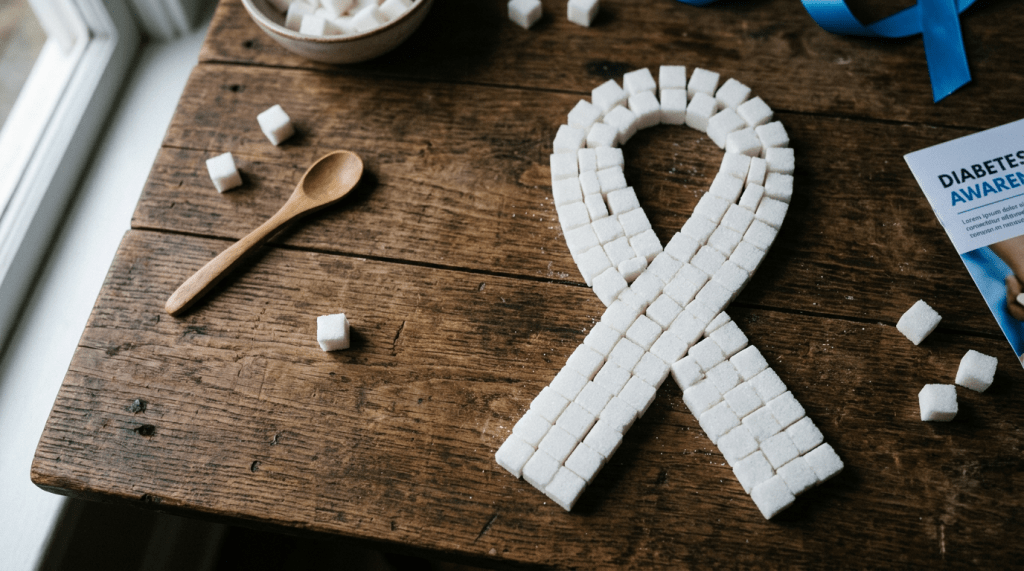
    A big 2025 study from Tufts researchers (published in Nature Medicine) connected sugar-sweetened drinks to about 2.2 million new cases of type 2 diabetes and 1.2 million cases of heart disease worldwide in a single year. They estimated roughly 1 in 10 new diabetes cases trace back to these drinks. And soda companies are now pushing hardest in lower-income countries where individuals cannot afford healthcare.

    My grandmother has diabetes, so diabetes is not something too far from me.

    Here’s where my own stuff comes in. Since I’m trying to gain weight the healthy way, I actually read nutrition labels now, and I have decided that drinking these sugary drinks is just not worth it anymore.

    I’m not saying never drink one, but rather that sugary drinks are just a treat. Water is free and is always the healthier option.

    Bottom line: Sugary drinks are an easy habit to cut, and cutting them lowers real disease risk.

    Read more: Sugary drinks linked to millions of diabetes and heart disease cases — Tufts University

  • Social Media and My Generation’s Mental Health

    Social Media and My Generation’s Mental Health

    I post my music on Instagram and TikTok, so I see both sides of this one. Social media is how I share what I make and connect with people, and that part is genuinely great, but also very complicated.

    The US Surgeon General put out an advisory in 2023 saying teens who spend more than 3 hours a day on social media have double the risk of depression and anxiety symptoms. And the average teen is already around 3.5 hours a day. The advisory also pointed out that close to half of teens said social media makes them feel worse about their bodies.

    I’ve felt the pull myself. When I post a beat, watching the likes and comments roll in is motivating, but it can also mess with your head fast. One negative comment can have you questioning your passion.

    I’m not saying delete everything, but it is essential to be aware of what social media can do to you. For me, social media is part of chasing something I love, but it helps to remember it’s designed to keep you scrolling and doubting yourself. Using it on purpose, instead of just falling into it for hours, is the right move.

    Read more: Social Media and Youth Mental Health — U.S. Surgeon General’s Advisory

  • Why I Started Caring About Sleep More Than My PRs

    I used to think running on no sleep was cool and made me seem tougher. Then I actually learned what sleep does, and now I protect it harder than my workout schedule.

    The CDC says teens need 8 to 10 hours a night, but roughly 7 out of 10 high schoolers don’t get that. And it’s not harmless. Not sleeping enough is linked to obesity, type 2 diabetes, worse mood, and more injuries. It’s a real public health issue, partly because early school start times and late-night screens fight against teen biology.

    For anyone into sports, here’s the kicker: sleep is when your body actually repairs and grows. Lifting breaks your muscles down. Sleep builds them back up. So pulling an all-nighter before a big track meet is like skipping a recovery day, and not sleeping well after a workout can hurt muscle growth. It actually hurts you in the long run.

    Once I started treating sleep like part of my training, everything got better. My lifts, my focus in class, my mood. Sleep isn’t lazy. It’s the cheat code nobody uses.

    Bottom line: Sleep is when you actually get stronger, so stop treating it like wasted time.

    Read more: Sleep and health — CDC

  • Sitting Around Is the New Smoking

    I’ve been on a fitness journey since freshman year. I was really underweight, so I started lifting, eating better, and I’ve put on about 30 pounds since then. So trust me, I know movement changes everything.

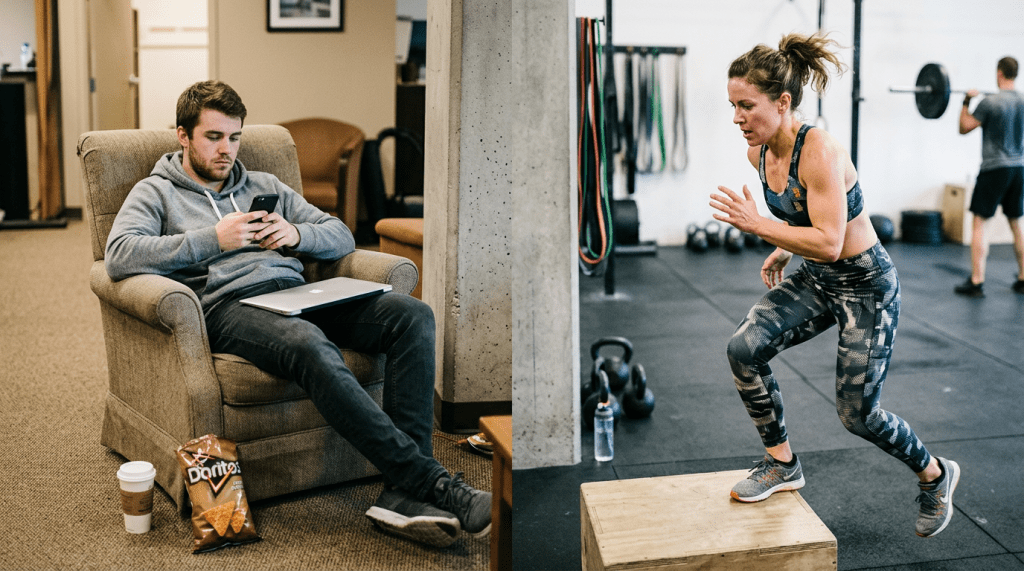
    Here’s the public health version. The WHO says about 31% of adults and a crazy 80% of teenagers worldwide don’t move enough. And people who aren’t active enough have a 20 to 30% higher risk of dying early. Being inactive feeds straight into heart disease, type 2 diabetes, and obesity.

    My grandmother dealt with obesity and diabetes, and being active is one of the biggest, cheapest ways to lower the odds of both. Watching that taught me this isn’t just about looking a certain way, but rather about lowering your risk for the diseases that take people early.

    Even the little things count. Walking counts. Shooting hoops counts. I started with small workouts in my room. The whole point is that moving your body is medicine, and most of us are skipping the dose.

    Bottom line: Your body is built to move, and even a little movement is real disease prevention.

     Read more: Drug-resistant superbugs and the 39 million figure — Gavi / The Lancet