Category: Uncategorized
-
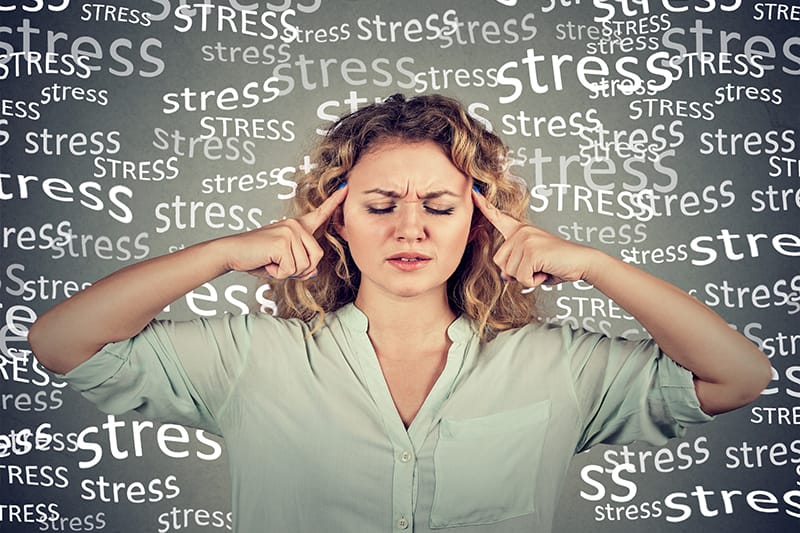
Stress significantly impacts the body, primarily by releasing hormones like cortisol and adrenaline. Long-term stress weakens the immune system, increases inflammation, and exacerbates existing health issues. This chronic condition can lead to diseases and disrupt mental health. Seeking guidance from a professional is crucial for effective stress management.
-

Sugary drinks are one of the sneakiest health problems out there, because they taste great and feel harmless. A big 2025 study from Tufts researchers (published in Nature Medicine) connected sugar-sweetened drinks to about 2.2 million new cases of type 2 diabetes and 1.2 million cases of heart disease worldwide in a single year. They…
-

There is a misconception that lack of sleep demonstrates toughness, emphasizing the importance of sleep for health, especially among teens. The CDC notes that many high schoolers miss necessary sleep, leading to negative health outcomes. Treating sleep as integral to training improves athletic performance, mood, and focus.
-

The author shares their fitness journey, starting from being underweight and facing bullying to gaining 30 pounds of muscle through improved diet and exercise. They highlight the global inactivity issue, linking it to serious health risks. Emphasizing that any movement, no matter how small, is crucial for disease prevention, they advocate for active lifestyles.
-

Over 1 billion young people face hearing loss from loud music and events, according to the WHO. Once damaged, hearing cells don’t regenerate. The 60/60 rule advises keeping volume under 60% and taking breaks. Protecting hearing is crucial for enjoying music long-term. Lower the volume now to ensure future enjoyment.
-
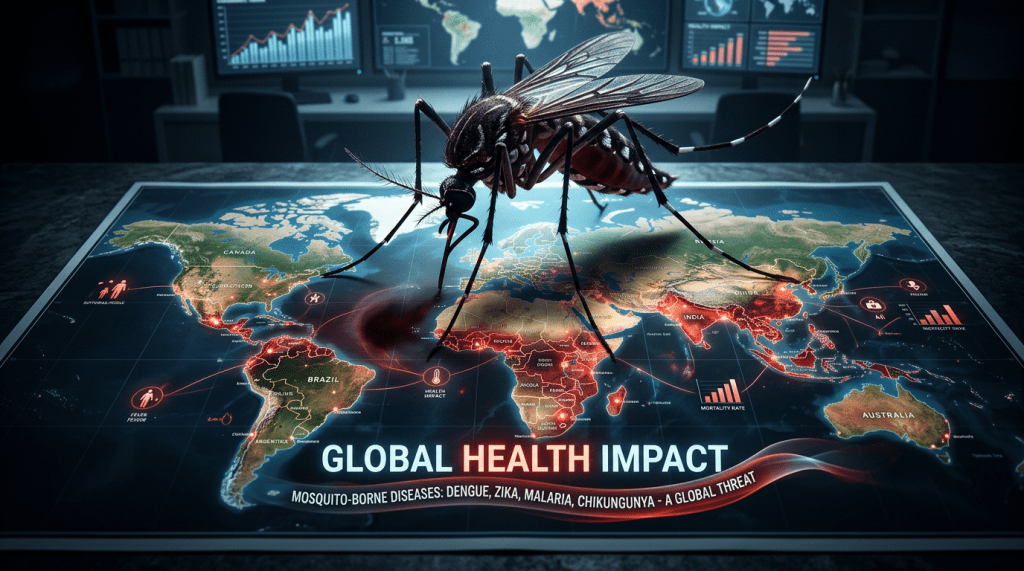
The deadliest animal in the world is the mosquito, responsible for approximately 597,000 malaria-related deaths in 2024, primarily affecting children under five in Africa, especially Nigeria. Malaria is preventable through bed nets, repellents, and vaccines, highlighting the importance of addressing this significant public health threat.
-
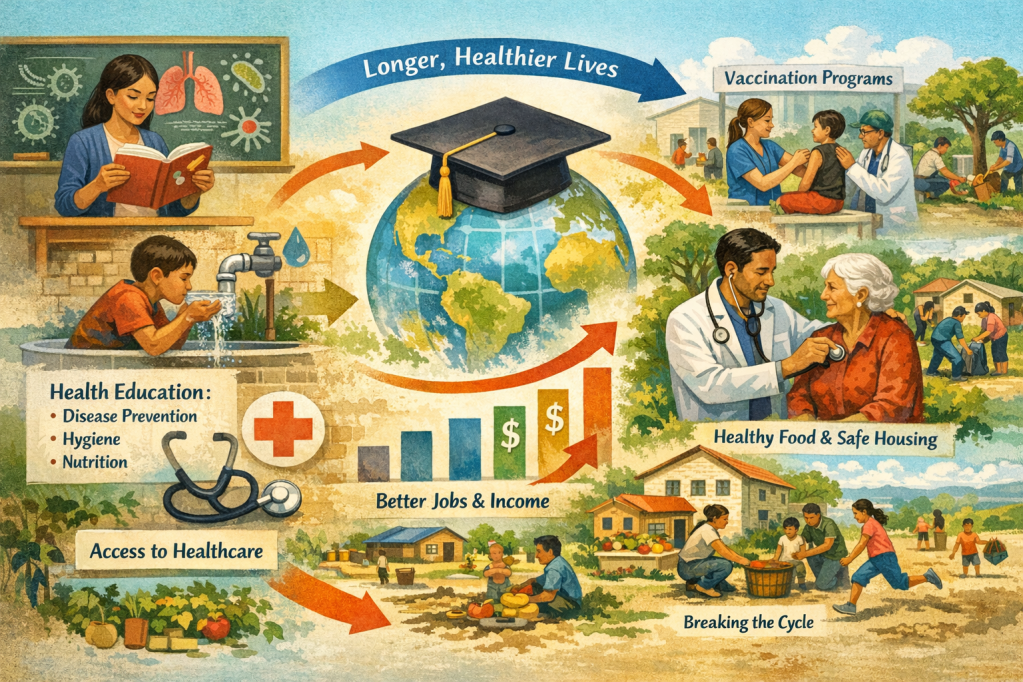
Education significantly influences health outcomes by enhancing knowledge about the body, disease prevention, and access to healthcare. Higher education improves job opportunities, leading to better income, which supports healthier living conditions. Educated communities tend to make informed public health decisions, creating a cycle of improved health and education.
-

Public health focuses on preventing illness in communities through initiatives like clean water, vaccines, and early detection of diseases. With seven of the top ten global causes of death being preventable, public health plays a crucial but often overlooked role. It emphasizes proactive measures, likened to defense in basketball, to safeguard population health.

