• Social Media and My Generation’s Mental Hea

    Social Media and My Generation’s Mental Hea

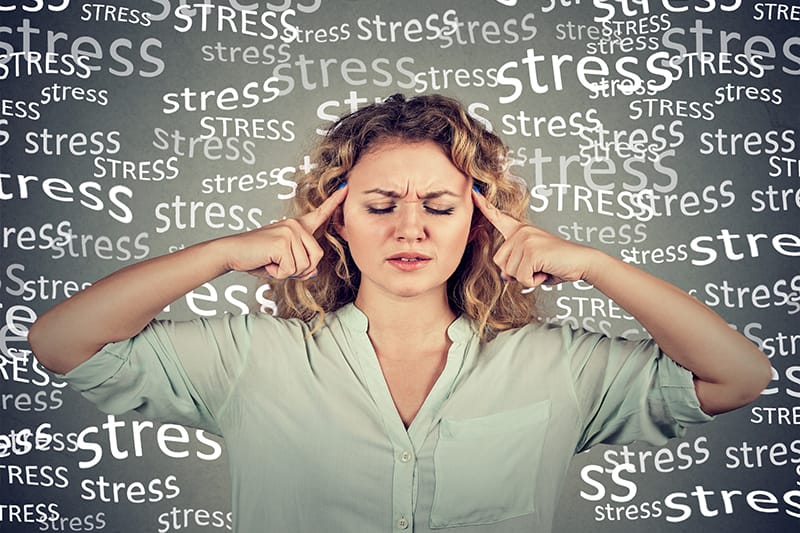
    I post my music on Instagram and TikTok, so I see both sides of this one. Social media is how I share what I make and connect with people, and that part is genuinely great. But it’s complicated.

    The US Surgeon General put out an advisory in 2023 saying teens who spend more than 3 hours a day on social media have double the risk of depression and anxiety symptoms. And the average teen is already around 3.5 hours a day. The advisory also pointed out that close to half of teens said social media makes them feel worse about their bodies.

    I’ve felt the pull myself. When I post a beat, watching the likes and comments roll in is motivating, but it can also mess with your head fast. You start measuring yourself by numbers, and that’s a trap.

    I’m not saying delete everything. For me, social media is part of chasing something I love. But it helps to remember it’s designed to keep you scrolling, and that the highlight reels aren’t real life. Using it on purpose, instead of just falling into it for hours, is the move.

    Read more: Social Media and Youth Mental Health — U.S. Surgeon General’s Advisory

  • Why I Started Caring About Sleep More Than My PRs

    I used to kind of brag about running on no sleep. Like it made me tougher. Then I actually learned what sleep does, and now I protect it harder than my workout schedule.

    The CDC says teens need 8 to 10 hours a night, but roughly 7 out of 10 high schoolers don’t get that. And it’s not harmless. Not sleeping enough is linked to obesity, type 2 diabetes, worse mood, and more injuries. It’s a real public health issue, partly because early school start times and late-night screens fight against teen biology.

    For anyone into sports, here’s the kicker: sleep is when your body actually repairs and grows. Lifting breaks your muscles down. Sleep builds them back up. So pulling an all-nighter before a big track meet is like skipping recovery day. You don’t get stronger, you get worse.

    Once I started treating sleep like part of my training, everything got better. My jumps, my focus in class, my mood. Sleep isn’t lazy. It’s the cheat code nobody uses.

    Bottom line: Sleep is when you actually get stronger, so stop treating it like wasted time.

    Read more: Sleep and health — CDC

  • Sitting Around Is the New Smoking

    I’ve been on a fitness journey since freshman year. I was really underweight and got picked on for it, so I started lifting, eating better, and I’ve put on about 30 pounds of muscle since then. So trust me, I know movement changes everything.

    Here’s the public health version. The WHO says about 31% of adults and a crazy 80% of teenagers worldwide don’t move enough. And people who aren’t active enough have a 20 to 30% higher risk of dying early. Being inactive feeds straight into heart disease, type 2 diabetes, and obesity.

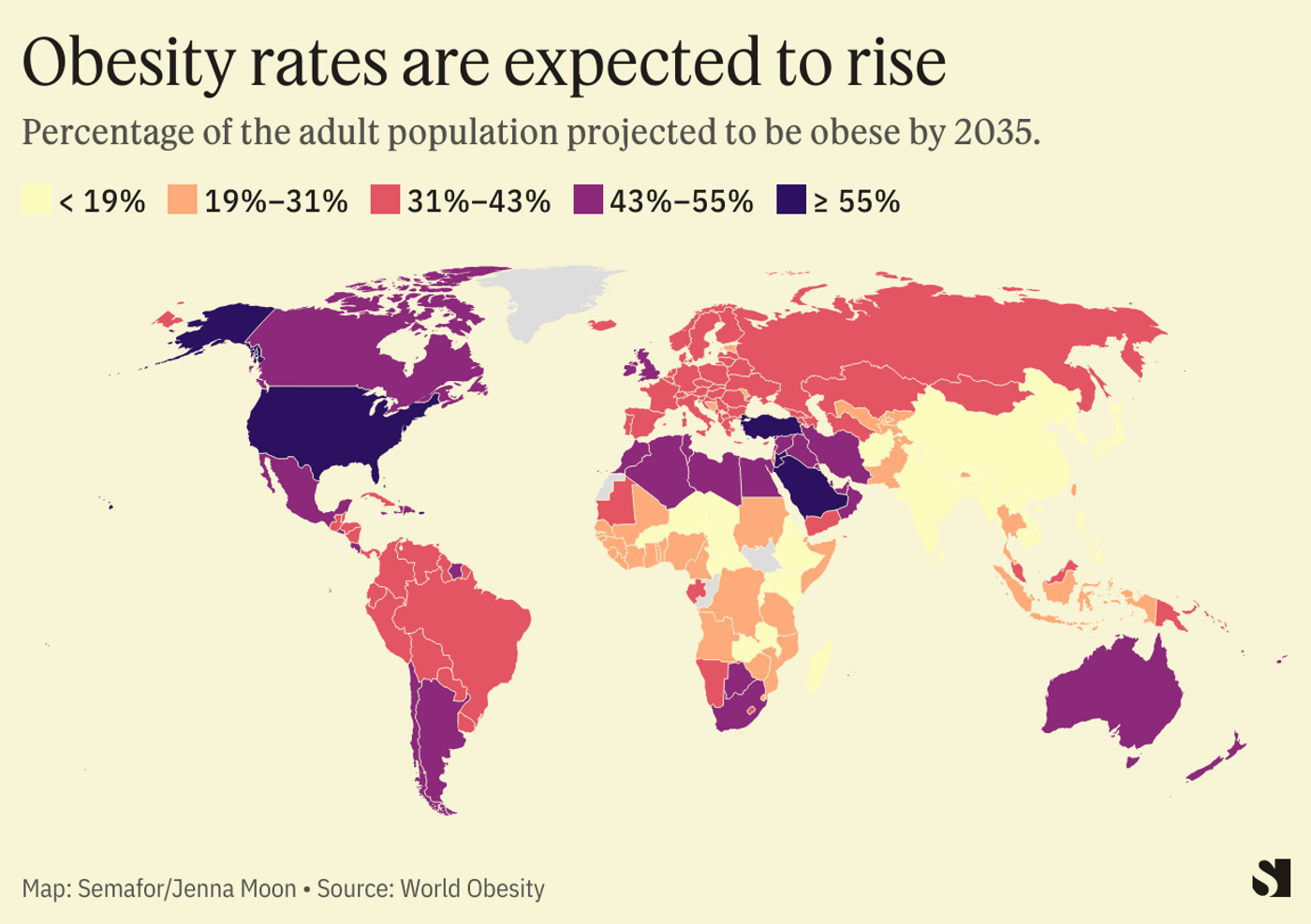
    My grandmother dealt with obesity and diabetes, and being active is one of the biggest, cheapest ways to lower the odds of both. Watching that taught me this isn’t just about looking a certain way. It’s about literally lowering your risk for the diseases that take people early.

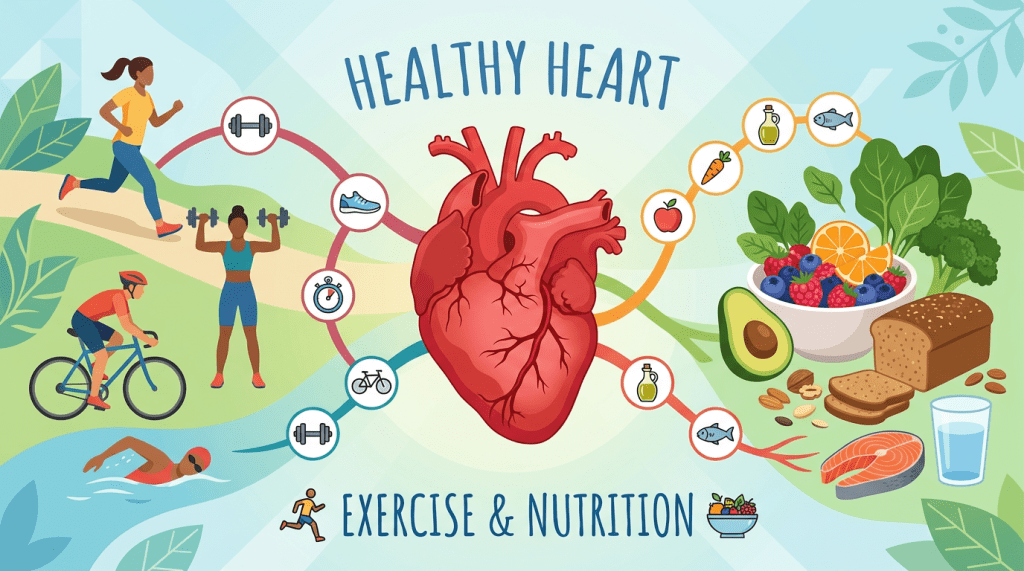
    And you don’t have to bench 225 or run a marathon. Walking counts. Shooting hoops counts. I literally started with workouts in my room. The point is moving your body is medicine, and most of us are skipping the dose.

    Bottom line: Your body is built to move, and even a little movement is real disease prevention.

     Read more: Drug-resistant superbugs and the 39 million figure — Gavi / The Lancet

  • Your Earbuds Are Lying to You About the Volume

    I basically live in my headphones. I make beats, I listen to music every morning and every night, and I’ve been to a ton of concerts. So this one stung a little to research.

    The World Health Organization says over 1 billion young people are at risk of permanent hearing loss from unsafe listening. That’s earbuds cranked too loud, plus concerts, clubs, and loud events. And the scary part is that once those tiny cells in your ear get damaged, they don’t grow back. There’s no medicine or surgery that fixes it. It’s gone.

    There’s an easy fix people call the 60/60 rule: keep the volume under 60% and take breaks instead of blasting it for hours straight. That’s it. You don’t have to give up your music, you just can’t max it out 24/7.

    As the VP of my school’s music club, this actually matters to me beyond just “be careful.” You can’t produce a clean track or catch the little details in a mix if your ears are fried. Protecting your hearing is protecting the thing that lets you enjoy music for the next 60 years. Long-term thinking, not just tonight.

    Bottom line: Turn it down a little now so you can still hear it later.

  • The Deadliest Animal on Earth Is Smaller Than a Penny

    What’s the deadliest animal in the world? Most people guess sharks, or maybe snakes. Nope. It’s the mosquito. The CDC calls it the world’s deadliest animal.

    Here’s why. Malaria, which mosquitoes spread, caused around 282 million cases and roughly 597,000 deaths in 2024, according to the WHO. Most of those deaths are kids under 5, and most happen in Africa. Nigeria has the heaviest burden of any country in the world.

    That last part hit home for me, because I was part of an internship focused on public health in Bauchi, Nigeria. When you’ve connected to a community like that, a number like 597,000 stops being a number. It becomes people.

    The good news is malaria is preventable. Bed nets, repellent, and newer malaria vaccines are saving real lives. If you think of global health like a video game, the mosquito is the tiny enemy that somehow does the most damage on the whole map. Underestimate it and it wrecks you.

    Bottom line: The smallest animal on Earth is the biggest killer, and we actually have tools to fight it.

  • How Education Impacts Health Outcomes

    When people talk about education, they usually focus on things like getting a good job or getting into a good college. But something a lot of people do not think about is how much education actually affects health. The more I learn about global health, the more I realize that school is not just about grades. It can literally change how long people live and how healthy they are.

    One of the biggest ways education impacts health is by helping people understand basic information about their bodies. For example, someone who stays in school longer is more likely to know how diseases spread or why clean water matters. They might also know when something feels wrong and that they should go to a doctor. When people do not have access to education, they might not get this kind of knowledge, which can lead to preventable illnesses.

    Education also affects health because it influences income. People with more education usually have better job opportunities. Better jobs often mean better access to healthcare, healthier food, and safer living conditions. It is not fair, but it is true that money plays a huge role in health. When families earn more, they can afford things that keep them healthier in the long run.

    Another thing I have learned is that education helps communities. When more people in a community are educated, they tend to make better decisions about public health. This can include things like supporting vaccination programs or improving sanitation. It creates a cycle where education leads to better health, and better health helps people stay in school.

    Overall, education is one of the strongest tools we have for improving health around the world. It is not just about learning facts. It is about giving people the chance to live healthier and safer lives.

  • What Public Health Even Is (And Why It’s Basically the Defense)

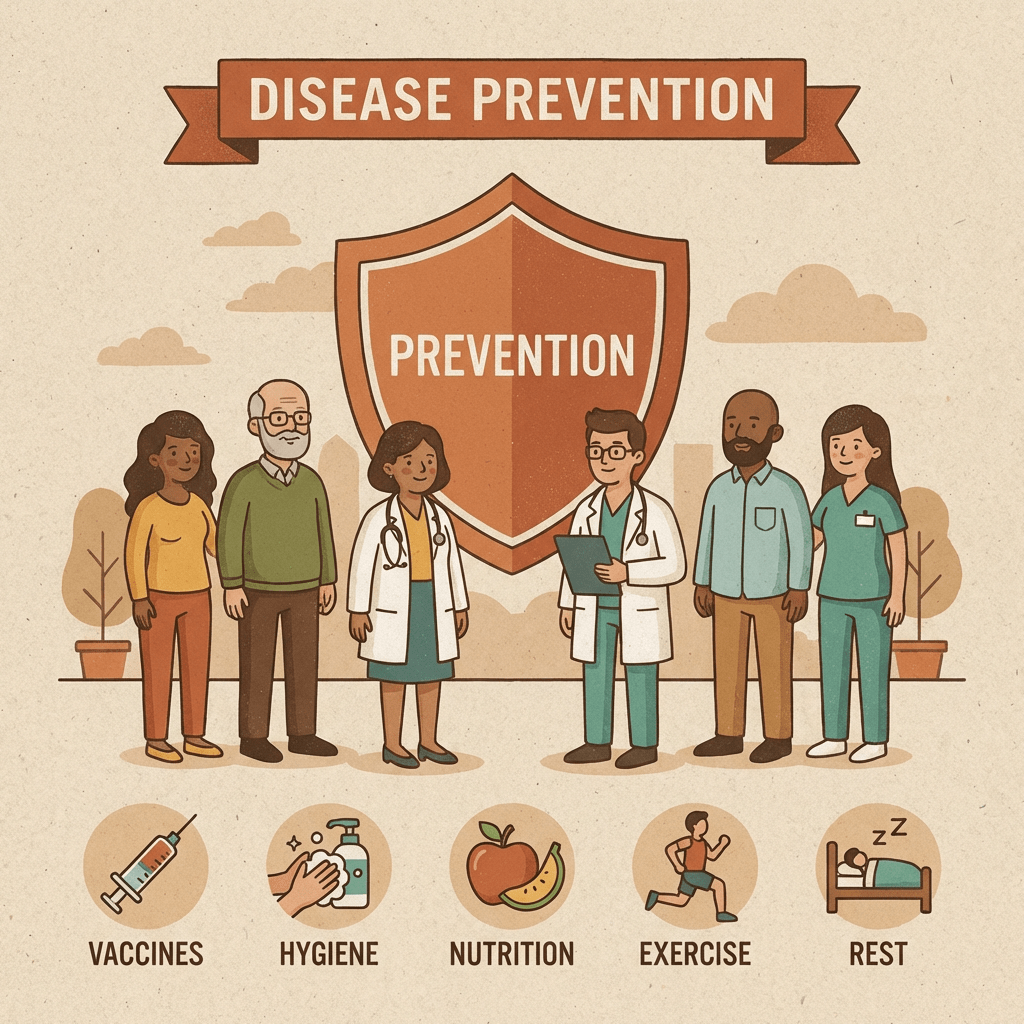
    Most people hear “doctor” and picture someone fixing you after you’re already sick. That’s medicine, and it’s huge. But public health is the other half, and honestly it doesn’t get enough credit. Public health is about keeping whole groups of people from getting sick in the first place. Clean water, vaccines, safe food, not smoking, catching stuff early. The unglamorous stuff.

    Here’s the part that made it click for me. When you look at what actually kills people, it’s not random freak accidents most of the time. According to the World Health Organization, 7 of the 10 leading causes of death in the world are noncommunicable diseases like heart disease, stroke, and diabetes, with heart disease at number one. A lot of those are preventable. That’s wild to me. We mostly die from slow stuff we could’ve gotten ahead of.

    Let me put it in basketball terms. Everybody hypes the player dropping 40 points (the surgeon, the hospital). But defense is what actually wins championships, and nobody films a highlight reel of a good box-out. Public health is the defense. It’s quiet, it’s not flashy, and it stops the problem before it ever reaches the rim.

    My grandmother is a big reason I started caring about any of this. She smoked for years and passed away from pancreatic cancer. I’ll talk about her more later, but losing her made me want to understand the “before” part of getting sick, not just the “after.”

    Bottom line: Public health is playing defense for an entire population, and defense wins.